 24/09/2026
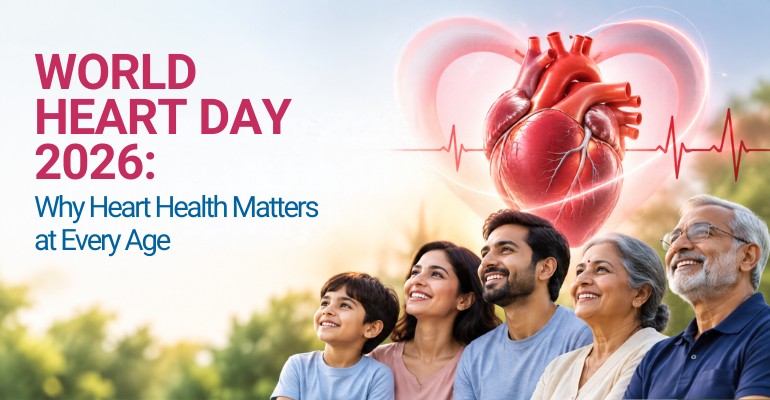
World Heart Day 2026: Why Heart Health Matters at Every Age
World Heart Day, observed every year on 29 September, highlights one of the most important aspects of overall health: heart health. The heart works continuously throughout life, pumping blood and delivering oxygen and nutrients to every part of the body. Maintaining a healthy heart matters at every stage of life, from childhood and adolescence to adulthood and older age.
Heart-related conditions can develop gradually, and some risk factors may begin much earlier than symptoms appear. Unhealthy eating habits, physical inactivity, smoking, excessive alcohol consumption, obesity, high blood pressure, diabetes, and high cholesterol can increase the risk of cardiovascular disease.
World Heart Day 2026 provides an opportunity to understand these risk factors and take practical steps toward better cardiovascular health.
What Is World Heart Day?
World Heart Day is an annual global health awareness day held on 29 September. It aims to increase awareness about cardiovascular diseases and encourage people to make heart-healthy choices.
Cardiovascular diseases include conditions affecting the heart and blood vessels. They remain an important health concern worldwide. Many risk factors can be reduced through healthier lifestyle choices, regular health checks, and timely medical care.
The purpose of World Heart Day is not only to raise awareness about heart disease but also to encourage people to take preventive measures before serious problems develop.
Why Heart Health Matters at Every Age
Heart health is not something that should only concern older adults. Healthy habits established during childhood and adolescence can influence cardiovascular health later in life.
Children and Teenagers
Children may not commonly be associated with heart disease, but developing healthy habits early can help reduce future cardiovascular risk.
Regular physical activity, nutritious meals, adequate sleep, and maintaining a healthy weight are important for growing children. Children should also be encouraged to limit excessive consumption of sugary drinks, highly processed foods, and foods high in salt and unhealthy fats.
Some children may also have congenital heart conditions or other medical problems that require specialist evaluation. Symptoms such as unexplained breathlessness, fainting during physical activity, persistent chest discomfort, bluish discoloration, or unusual fatigue should be evaluated by a healthcare professional.
Young Adults
Young adulthood is an important period for establishing long-term lifestyle habits. Busy schedules, prolonged sitting, irregular meals, stress, inadequate sleep, smoking, and physical inactivity can affect overall health.
Young adults can support heart health by staying physically active, eating a balanced diet, avoiding tobacco, maintaining a healthy weight, and getting sufficient sleep.
Knowing family medical history is also useful. People with a family history of cardiovascular disease, high blood pressure, diabetes, or high cholesterol may need to pay particular attention to their risk factors.
Adults
As people get older, certain cardiovascular risk factors become more common. Regular monitoring of blood pressure, blood sugar, and cholesterol can help identify problems early.
Adults should also pay attention to lifestyle habits. A heart-healthy routine includes regular physical activity, nutritious food choices, adequate sleep, stress management, and avoiding tobacco.
Older Adults
Heart health remains important throughout later life. Older adults may have several conditions that can influence cardiovascular health, including hypertension, diabetes, high cholesterol, kidney disease, or obesity.
Regular medical follow-ups can help monitor these conditions and manage medications appropriately. Any new or worsening symptoms should be discussed with a healthcare professional rather than being dismissed as a normal part of ageing.
Common Risk Factors for Heart Disease
Several factors can increase the risk of cardiovascular disease. Some cannot be changed, while many others can be managed.
High Blood Pressure
High blood pressure can place additional strain on the heart and blood vessels. Because it often does not cause noticeable symptoms, regular blood pressure checks are important.
High Cholesterol
Cholesterol is necessary for several functions in the body, but abnormal cholesterol levels can contribute to the development of plaque in blood vessels. A healthcare professional can recommend appropriate testing and management based on individual risk.
Diabetes
Persistently high blood sugar can damage blood vessels and increase cardiovascular risk. Maintaining appropriate blood glucose levels through lifestyle measures and prescribed treatment is important for people with diabetes.
Smoking and Tobacco Use
Tobacco use is an important preventable cardiovascular risk factor. Smoking can damage blood vessels and increase the risk of heart attack and stroke. Avoiding tobacco is one of the most significant steps a person can take to protect cardiovascular health.
Physical Inactivity
A sedentary lifestyle can contribute to obesity, high blood pressure, diabetes, and other conditions associated with cardiovascular disease.
Regular movement throughout the day and appropriate exercise can support cardiovascular fitness.
Unhealthy Diet
A diet frequently high in excess salt, added sugars, saturated fats, and highly processed foods can contribute to several cardiovascular risk factors.
A balanced eating pattern that includes vegetables, fruits, whole grains, legumes, nuts, and appropriate sources of protein can support overall health.
Excess Weight
Being overweight or having obesity can increase the likelihood of developing high blood pressure, diabetes, and abnormal cholesterol levels. Healthy weight management can therefore be an important part of cardiovascular prevention.
How to Keep Your Heart Healthy
Protecting heart health does not require extreme changes. Consistent everyday habits can make a meaningful difference.
Stay Physically Active
Choose activities that are appropriate for your age and health condition. Walking, cycling, swimming, sports, or other forms of exercise can help improve cardiovascular fitness.
Inactive people should gradually increase their activity and seek medical advice if they have concerns about exercising.
Eat a Balanced Diet
Include a variety of vegetables, fruits, whole grains, legumes, nuts, and other nutrient-rich foods. Limit excessive salt, added sugars, highly processed foods, and unhealthy fats.
Portion sizes also matter, particularly for people trying to maintain or achieve a healthy weight.
Avoid Tobacco
Avoid smoking and other tobacco products. People who smoke can speak with a healthcare professional about evidence-based options for quitting.
Get Enough Sleep
Sleep is an important part of overall health. Maintaining a regular sleep schedule and creating healthy sleep habits can support physical and emotional well-being.
Manage Stress
Long-term stress can affect lifestyle habits and overall health. Relaxation techniques, physical activity, social support, hobbies, and professional support when needed can help people manage stress more effectively.
Maintain Regular Health Checks
Routine health assessments can help identify conditions such as high blood pressure, high cholesterol, and diabetes. Early detection allows appropriate lifestyle changes and medical management when required.
Recognizing Warning Signs of a Heart Problem
Some heart conditions can cause sudden and serious symptoms. Warning signs may include:
- Chest pressure, tightness, or discomfort
- Pain or discomfort spreads to the arm, shoulder, back, neck, or jaw.
- Shortness of breath
- Unusual sweating
- Nausea or vomiting
- Dizziness or fainting
- Sudden or unusual weakness
- Rapid or irregular heartbeat
Symptoms can vary between individuals. Some people, including women and people with diabetes, may experience less typical symptoms.
If symptoms suggest a possible heart attack or another medical emergency, seek emergency medical care immediately.
Why Regular Heart Health Checks Matter
Many cardiovascular risk factors can develop without obvious symptoms. A person may feel healthy while having elevated blood pressure, cholesterol, or blood sugar.
Regular health checks can help identify these problems before complications develop. Depending on age, medical history, and individual risk factors, a healthcare professional may recommend monitoring blood pressure, blood glucose, cholesterol, weight, and other health indicators.
People with existing medical conditions should follow their healthcare professional's recommendations for regular monitoring and treatment.
Small Changes Can Support Long-Term Heart Health
Heart health is influenced by daily choices made over many years. Instead of trying to change everything at once, people can start with manageable steps.
Taking a daily walk, adding more vegetables to meals, reducing excess salt, avoiding tobacco, improving sleep, and attending recommended health check-ups can all contribute to a healthier lifestyle.
Families can also make heart health a shared priority by preparing nutritious meals, encouraging children to stay active, limiting sedentary screen time, and creating healthy routines at home.
Frequently Asked Questions
When is World Heart Day celebrated?
World Heart Day is observed every year on 29 September to raise awareness about cardiovascular health and heart disease prevention.
Can young people have heart problems?
Yes. Although many cardiovascular conditions become more common with age, children and young adults can also have heart conditions. Congenital heart conditions and certain acquired conditions can affect younger people.
What is one of the most important ways to protect heart health?
A combination of healthy lifestyle habits and regular health monitoring is important. Avoiding tobacco, staying physically active, eating a balanced diet, maintaining a healthy weight, managing medical conditions, and getting recommended health checks can all support cardiovascular health.
What health checks are important for heart health?
Depending on individual risk, healthcare professionals may recommend checking blood pressure, cholesterol, blood glucose, weight, and other health indicators.
What should I do if I experience sudden chest pain?
Sudden or severe chest discomfort, particularly when accompanied by shortness of breath, sweating, nausea, dizziness, or pain spreading to other parts of the body, can be a medical emergency. Seek emergency medical care immediately.
Make Heart Health a Lifelong Priority
World Heart Day 2026 is a reminder that heart health is relevant to everyone, regardless of age. Cardiovascular health is influenced by lifestyle, genetics, existing medical conditions, and other factors.
Many important risk factors can be addressed through healthier habits, regular health monitoring, and timely medical care. Starting early and maintaining these habits throughout life can help support long-term well-being.
This World Heart Day, make heart health part of your everyday routine—not just a once-a-year conversation.