 23/09/2026
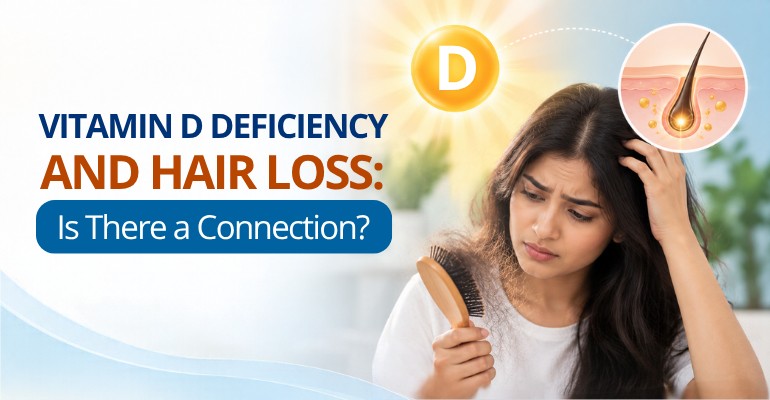
Vitamin D Deficiency and Hair Loss: Is There a Connection?
Hair loss is a common concern that can affect both men and women. Losing some hair every day is normal, but excessive shedding, thinning, or the appearance of bald patches may indicate an underlying problem. Genetics, hormonal changes, stress, illness, nutritional deficiencies, medications, and scalp conditions are among the many factors that can affect hair growth.
One nutrient that has received considerable attention in hair health is vitamin D. Research has found an association between low vitamin D levels and several types of hair loss, including alopecia areata, female pattern hair loss, and telogen effluvium. However, this does not mean that vitamin D deficiency is responsible for every case of hair loss or that taking vitamin D supplements will automatically restore lost hair.
Understanding the possible connection between vitamin D and hair loss can help people recognize when medical evaluation may be useful and avoid unnecessary self-treatment.
What Is Vitamin D?
Vitamin D is a fat-soluble vitamin and hormone that plays an important role in several processes in the body. It is best known for supporting calcium absorption and maintaining healthy bones, but it also has roles in muscle function and immune system regulation.
The body can produce vitamin D when the skin is exposed to sunlight. It can also be obtained from certain foods and dietary supplements.
Vitamin D levels can become low because of limited sun exposure, inadequate dietary intake, certain medical conditions, problems with absorption, or other factors.
A blood test measuring 25-hydroxyvitamin D, also called 25(OH)D, is commonly used to assess vitamin D status.
Can Vitamin D Deficiency Cause Hair Loss?
There may be a connection between vitamin D deficiency and certain forms of hair loss, but the relationship is more complicated than simply saying that low vitamin D causes hair loss.
Hair follicles go through a continuous cycle of growth, transition, resting, and shedding. Vitamin D and its receptor are involved in biological processes related to hair follicle function and cycling. Researchers have therefore investigated whether inadequate vitamin D may influence certain hair-loss disorders.
A recent systematic review and meta-analysis found that vitamin D deficiency was common among people with several forms of alopecia. The association was particularly significant for alopecia areata and female pattern hair loss, while findings varied among other conditions. The researchers also noted that further research is needed to determine whether correcting vitamin D deficiency directly improves hair loss.
Therefore, vitamin D deficiency can be one factor worth considering, but it should not automatically be assumed to be the cause.
How Does Vitamin D Relate to Hair Follicles?
Hair follicles are specialized structures in the skin that produce hair. Their activity depends on carefully regulated cellular processes.
Vitamin D receptors are present in hair follicles, and vitamin D-related signaling is involved in follicle development and cycling. Research has shown that disruption of vitamin D receptor activity can affect normal hair cycling.
This biological relationship provides a reason for researchers to investigate vitamin D in hair disorders. However, the presence of vitamin D receptors in hair follicles does not mean that every person with low vitamin D will develop hair loss.
Hair growth is influenced by multiple nutritional, hormonal, genetic, immune, and environmental factors.
Which Types of Hair Loss May Be Associated With Vitamin D Deficiency?
Research has examined the relationship between vitamin D status and several types of alopecia.
Alopecia Areata
Alopecia areata is an autoimmune condition in which the immune system attacks hair follicles, resulting in hair loss. It may cause small, smooth, round patches of hair loss and can sometimes affect larger areas.
Studies have found lower vitamin D levels and a higher prevalence of vitamin D deficiency among people with alopecia areata compared with some control groups. However, the relationship between vitamin D levels and the severity of hair loss is not always consistent.
Telogen Effluvium
Telogen effluvium is a form of temporary excessive hair shedding that occurs when a larger-than-usual number of hair follicles enter the resting phase.
It can develop after:
- A high fever or significant illness
- Major physical or emotional stress
- Surgery
- Childbirth
- Rapid weight loss
- Severe dietary restriction
- Certain nutritional deficiencies
Vitamin D has been studied as a possible factor in telogen effluvium, although the evidence does not establish it as the sole cause.
Female Pattern Hair Loss
Female pattern hair loss usually causes gradual thinning, particularly around the central scalp and widening of the hair part.
Research has found an association between low vitamin D levels and female pattern hair loss. A recent meta-analysis reported a statistically significant association between vitamin D deficiency and female pattern hair loss, although the studies included substantial variation.
Male Pattern Hair Loss
Male pattern hair loss, also known as androgenetic alopecia, is strongly influenced by genetics and hormones.
Some studies have found lower vitamin D levels among people with androgenetic alopecia, but the evidence is not sufficient to conclude that vitamin D deficiency is the primary cause.
What Are the Symptoms of Vitamin D Deficiency?
Vitamin D deficiency may occur without obvious symptoms.
When symptoms are present, they can include:
- Bone discomfort
- Muscle weakness
- Muscle aches
- Fatigue
- Reduced physical strength
- Problems related to bone health
Hair loss by itself is not a reliable sign of vitamin D deficiency.
Someone experiencing hair thinning should not assume that low vitamin D is the cause without appropriate evaluation.
What Causes Vitamin D Deficiency?
Several factors can contribute to low vitamin D levels.
Limited Sun Exposure
People who spend most of their time indoors may have less sun exposure and therefore produce less vitamin D.
However, sun exposure must be balanced with appropriate skin protection because excessive ultraviolet exposure increases the risk of skin damage and skin cancer.
Inadequate Dietary Intake
Vitamin D is naturally present in relatively few foods. Some sources include fatty fish, egg yolks, and certain fortified foods.
People with restricted diets may need to pay particular attention to their overall nutritional intake.
Problems With Absorption
Certain gastrointestinal conditions can interfere with the absorption of fat-soluble vitamins such as vitamin D.
Certain Medical Conditions
Some liver and kidney disorders can affect the body's ability to process vitamin D.
Certain medications can also influence vitamin D metabolism.
How Is Vitamin D Deficiency Diagnosed?
If vitamin D deficiency is suspected, a doctor may recommend a blood test for 25-hydroxyvitamin D.
The result should be interpreted alongside the individual's health status, symptoms, risk factors, and the laboratory's reference range.
A doctor may recommend testing particularly when there are risk factors for deficiency or when the result could affect medical management.
It is important to remember that a vitamin D test does not determine the cause of hair loss by itself.
What Other Causes of Hair Loss Should Be Considered?
Because hair loss has many possible causes, a proper evaluation may be necessary.
Other factors can include:
Iron Deficiency
Low iron stores or iron-deficiency anemia can contribute to hair shedding in some people.
Thyroid Problems
Both an underactive and overactive thyroid can be associated with changes in hair growth.
Hormonal Changes
Pregnancy, postpartum hormonal changes, menopause, and certain hormonal disorders can affect the hair cycle.
Stress and Illness
Significant physical or emotional stress can trigger temporary hair shedding.
Genetic Factors
Patterned hair loss is strongly influenced by genetics and hormones.
Scalp Conditions
Fungal infections, inflammatory scalp disorders, and other dermatological conditions can cause hair loss or breakage.
Certain Medications
Some medications can cause hair shedding as a side effect.
Because the possible causes are so varied, treating the correct underlying problem is more important than focusing on a single vitamin.
Should You Take Vitamin D Supplements for Hair Loss?
Vitamin D supplements may be appropriate when a deficiency has been identified or when a healthcare professional recommends supplementation.
However, taking high doses of vitamin D simply because you are experiencing hair loss is not recommended.
Evidence linking vitamin D deficiency with certain hair-loss conditions does not establish vitamin D supplementation as a universal treatment. Reviews have noted that more research is needed to determine whether correcting vitamin D deficiency directly improves different types of alopecia.
Excessive vitamin D intake can also be harmful. Very high levels can lead to excessive calcium in the blood and symptoms such as nausea, vomiting, weakness, excessive thirst, frequent urination, kidney stones, and other serious complications.
For this reason, supplements should be taken according to medical advice.
How Can You Support Healthy Hair Growth?
Healthy hair growth depends on overall nutrition and general health.
Eat a Balanced Diet
A balanced diet should provide adequate:
- Protein
- Iron
- Zinc
- Vitamins
- Healthy fats
- Fruits and vegetables
- Whole grains
Severe calorie restriction and crash diets can contribute to increased hair shedding.
Get Appropriate Nutrients
Nutritional deficiencies should be identified and corrected when necessary. Taking multiple supplements without evidence of deficiency is not always beneficial.
Manage Stress
Long periods of significant stress can affect the hair cycle. Adequate sleep, physical activity, relaxation techniques, and healthy routines may support overall well-being.
Avoid Excessive Hair Damage
Frequent heat styling, harsh chemical treatments, tight hairstyles, and aggressive brushing can contribute to hair breakage or traction-related hair loss.
Take Care of the Scalp
Keeping the scalp clean and addressing persistent itching, scaling, inflammation, or infection can help maintain scalp health.
When Should You See a Doctor for Hair Loss?
Medical evaluation is recommended when hair loss is sudden, severe, persistent, or unexplained.
You should consider consulting a doctor or dermatologist if you notice:
- Rapid or significant hair shedding
- Clearly defined bald patches
- Widening of the hair part
- Progressive scalp thinning
- Hair loss with scalp redness or scaling
- Pain or inflammation of the scalp
- Hair loss accompanied by fatigue or other symptoms
- Hair loss following a major illness.
- Hair loss that continues for several months
A dermatologist can examine the scalp and hair pattern and determine whether further testing is needed.
What Tests May Be Considered?
Depending on the individual's symptoms and medical history, a doctor may consider tests for:
- Vitamin D levels
- Iron status
- Complete blood count
- Thyroid function
- Other nutritional deficiencies
- Hormonal abnormalities
Not everyone with hair loss needs every test. Testing should be guided by the clinical history and examination.
Can Correcting Vitamin D Deficiency Stop Hair Loss?
If someone has a confirmed vitamin D deficiency, correcting it is important for overall health.
However, whether correcting the deficiency alone will stop hair loss depends on the underlying cause of the hair loss.
For example, if hair shedding is related to several factors, correcting vitamin D deficiency may address one part of the problem but may not completely resolve the hair loss.
Similarly, someone with hereditary pattern hair loss may require treatments specifically directed at that condition.
This is why identifying the type of hair loss is an important part of treatment.
Vitamin D and Hair Loss: What Does the Evidence Say?
Current research supports a relationship between vitamin D status and several hair-loss disorders, but the strength and consistency of the evidence vary.
A 2024 systematic review and meta-analysis found vitamin D deficiency was common among people with alopecia and found significant associations, particularly for alopecia areata and female pattern hair loss. However, the authors emphasized the need for further studies regarding the effectiveness of vitamin D supplementation as a treatment.
Earlier reviews have similarly described vitamin D as biologically relevant to hair follicle function while noting that definitive evidence for vitamin D supplementation as a routine treatment for hair loss remains limited.
Therefore, the current evidence supports evaluation when appropriate, rather than treating every case of hair loss with vitamin D.
Conclusion
Vitamin D deficiency and hair loss may be connected, particularly in certain conditions such as alopecia areata and female pattern hair loss. Research has identified vitamin D receptors and vitamin D-related pathways in hair follicles, providing a biological basis for continued investigation.
However, hair loss has many possible causes, and vitamin D deficiency is only one potential factor. Genetics, hormones, nutritional deficiencies, thyroid problems, stress, illness, medications, autoimmune conditions, and scalp disorders can all contribute.
If you are experiencing unexplained or persistent hair loss, it is better to identify the underlying cause rather than starting supplements on your own. A doctor or dermatologist can assess your hair and scalp, review your medical history, and recommend appropriate tests when needed.
If vitamin D deficiency is confirmed, your healthcare professional can advise you on the appropriate way to correct it. Avoid taking excessive doses of vitamin D without medical guidance, as high intake can cause serious health problems.