 27/10/2026
Skin Barrier Repair: Signs of a Damaged Skin Barrier and How to Protect It
The skin acts as the body's first line of defence against environmental irritants, microorganisms and excessive moisture loss. A healthy skin barrier helps keep the skin hydrated, comfortable and protected. However, frequent washing, harsh skincare products, excessive exfoliation, and certain skin conditions can weaken this protective layer, causing dryness, redness, itching, and sensitivity.
Skin barrier repair has become an important skincare concern as more people use exfoliating acids, retinoids, facial cleansers and multiple skincare products in their daily routines. Although these products may help with specific skin concerns, using them incorrectly or combining too many active ingredients can irritate the skin.
Understanding the signs of a damaged skin barrier can help people adjust their skincare habits and recognise when professional advice may be necessary. With gentle cleansing, suitable moisturising and protection from environmental irritants, many cases of mild skin irritation can improve. However, persistent or severe symptoms may require assessment by a dermatologist.
What Is the Skin Barrier?
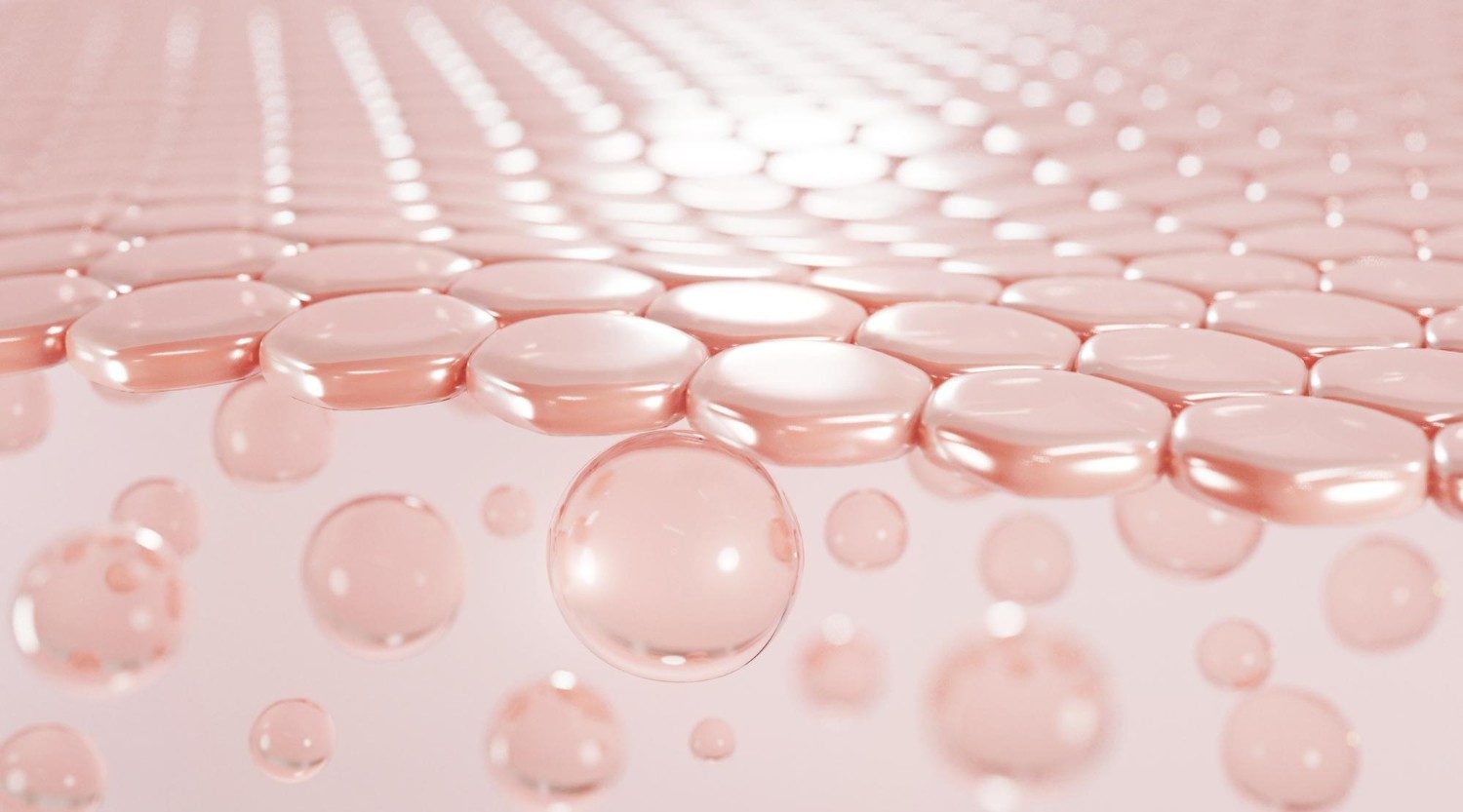
The skin barrier is the outermost protective layer of the skin, primarily associated with the stratum corneum, the outermost part of the epidermis. It consists of skin cells surrounded by lipids, including ceramides, cholesterol and fatty acids. This structure helps retain moisture while limiting the entry of irritants, allergens and harmful microorganisms.
The skin barrier performs several important functions:
Prevents excessive moisture loss: It helps the skin retain water and maintain hydration.
Protects against external irritants: It reduces exposure to certain pollutants, chemicals and other environmental factors.
Supports skin comfort: A healthy barrier helps limit dryness, tightness and irritation.
Contributes to skin defence: It forms part of the body's broader protective system against microorganisms and environmental challenges.
When this barrier becomes disrupted, water can escape more easily from the skin, and irritating substances may affect it more readily. The result can be dryness, flaking, itching, burning or increased sensitivity.
What Are the Signs of a Damaged Skin Barrier?
A damaged skin barrier may cause several noticeable changes in how the skin looks and feels. These symptoms are not specific to barrier damage alone; eczema, contact dermatitis, rosacea and other skin conditions can cause similar problems.
1. Persistent Dryness and Flaking
Skin that feels rough, tight or unusually dry may have difficulty retaining moisture. Flaking or peeling can also develop, particularly after using strong exfoliating products or washing frequently.
If moisturising does not improve the dryness, or if the skin develops painful cracks, medical assessment may be needed.
2. Redness and Irritation
Redness may appear after cleansing, applying skincare products or exposure to environmental irritants. Some people notice that their skin becomes uncomfortable even when using products they previously tolerated.
Persistent redness should not automatically be attributed to a damaged skin barrier. Conditions such as rosacea, eczema and allergic contact dermatitis may need specific treatment.
3. Stinging or Burning After Applying Products
A cleanser, moisturiser or sunscreen that previously felt comfortable may begin to sting when the skin is irritated. This can occur when the skin's protective function is disrupted.
Stop using a product that repeatedly causes burning or worsening irritation. Severe swelling, blistering or a rapidly spreading rash needs prompt medical evaluation.
4. Increased Skin Sensitivity
Skin may become more reactive to fragrance, soaps, exfoliating acids, retinoids and other ingredients. Even routine cleansing may cause discomfort.
Introducing several new products at once makes it harder to identify the cause. A simpler routine can help reduce exposure to potential irritants while the skin recovers.
5. Itching and Rough Patches
Itching, rough texture and scaly patches can occur when the skin becomes excessively dry or inflamed. Scratching may further irritate the skin and increase the risk of breaks in its surface.
If itching is intense, persistent or associated with a widespread rash, a dermatologist can assess whether an underlying skin condition is responsible.
6. More Noticeable Skin Discomfort
Some people experience tightness after washing their face or discomfort when exposed to heat, wind or sweat. These symptoms may suggest irritation but cannot confirm the cause by themselves.
The location, duration and pattern of symptoms can help a dermatologist distinguish simple dryness from other conditions.
What Causes Skin Barrier Damage?
Skin barrier disruption can result from daily habits, environmental exposure and medical conditions. Identifying the likely trigger is an important step towards preventing repeated irritation.
Over-Exfoliation
Exfoliating acids and physical scrubs can help remove surface dead skin cells when used appropriately. However, frequent exfoliation, vigorous scrubbing or using several exfoliating products together can irritate the skin.
Redness, peeling, burning and increased sensitivity after exfoliation are signs to reassess the routine. More exfoliation does not necessarily produce healthier skin.
Using Harsh Cleansers and Soaps
Strong cleansers, heavily fragranced products and frequent washing may remove some of the skin's natural lipids. Hot water and prolonged bathing can also worsen dryness.
A gentle, fragrance-free cleanser is generally a better choice for irritated skin than a product that leaves the face feeling tight or stripped.
Incorrect Use of Active Ingredients
Retinoids, salicylic acid, glycolic acid and other active ingredients may irritate, particularly when introduced too quickly or used in combinations that are unsuitable for an individual's skin.
Follow product directions and professional advice. People using prescription treatments should speak to their prescribing clinician before changing the treatment schedule.
Environmental Factors
Heat, dry air, wind, air conditioning and strong sunlight can contribute to dryness or irritation. Sweat and friction may also aggravate sensitive areas.
In Hyderabad, where hot weather and strong sunlight can be relevant to everyday skincare, sun protection and a routine suited to the local climate are practical considerations. Air-conditioned indoor environments may also leave some people's skin feeling dry.
Underlying Skin Conditions
Eczema, allergic contact dermatitis, rosacea and other inflammatory skin conditions can affect the skin barrier or produce similar symptoms. In these situations, moisturising alone may not be sufficient.
Repeated episodes of redness, itching, burning or peeling deserve professional assessment rather than repeated experimentation with skincare products.
How Can You Repair a Damaged Skin Barrier?
Skin barrier care focuses on reducing irritation, retaining moisture and allowing the skin to recover. The right approach depends on the cause and severity of the symptoms.
1. Simplify Your Skincare Routine
Temporarily reduce unnecessary products if your skin is irritated. A basic routine may include a gentle cleanser, a suitable moisturiser and sunscreen during the day.
Consider pausing non-essential exfoliants, scrubs and products that cause stinging. Do not discontinue prescribed medication without discussing it with the clinician who recommended it.
2. Use a Gentle Cleanser
Choose a mild, fragrance-free cleanser suited to your skin. Wash with lukewarm water rather than very hot water, and avoid rubbing the skin vigorously.
After cleansing, gently pat the skin dry with a soft towel. Overwashing and repeated scrubbing can worsen dryness and irritation.
3. Apply Moisturiser Regularly
Moisturisers help reduce water loss and improve skin hydration. Creams and ointments are often more effective for dry skin than lighter lotions, although the most suitable formulation depends on individual skin type and tolerance.
Ingredients such as ceramides, glycerin and petrolatum may help support moisture retention. No single ingredient is necessary for everyone, and a product does not have to be expensive to be useful.
Apply moisturiser after washing while the skin is still slightly damp, provided the product does not irritate. Reapply when needed, particularly after handwashing or bathing.
4. Choose Fragrance-Free Products
Fragrances can trigger irritation or allergic reactions in some people. During recovery, fragrance-free products may help reduce exposure to potential irritants.
Check ingredient labels carefully. Products labelled "unscented" are not always equivalent to fragrance-free products.
5. Protect Your Skin From the Sun
Sun exposure can aggravate certain skin concerns and contribute to long-term skin damage. Use a broad-spectrum, water-resistant sunscreen with SPF 30 or higher when appropriate, following the product's directions.
Wear protective clothing, seek shade and reapply sunscreen according to its instructions, particularly after sweating or swimming. If a sunscreen stings, consider a different formulation and seek professional advice if irritation persists.
6. Avoid Picking or Scrubbing Peeling Skin
Peeling skin may be tempting to remove, but picking and scrubbing can worsen irritation and cause further skin injury.
Allow loose skin to shed naturally. Use gentle cleansing and moisturising rather than trying to speed up the process with additional exfoliation.
7. Introduce Products Gradually
Once irritation has settled, introduce non-essential skincare products one at a time. Follow the product instructions and observe how the skin responds.
People with a history of eczema, allergies or reactions to cosmetics may benefit from professional advice before trying new active ingredients.
Which Ingredients May Help Support Skin Barrier Repair?
Different moisturising ingredients work in different ways. Some attract water, some soften the skin, and others form a protective layer that reduces water loss.
Ceramides
Ceramides are lipids naturally present in the skin barrier. They are included in some moisturisers designed to support the skin's protective function and reduce dryness.
Glycerin
Glycerin is a humectant, meaning it helps attract and retain water in the outer layers of the skin. It is commonly used in moisturisers for dry skin.
Petrolatum
Petrolatum forms an occlusive layer that helps reduce water loss. It can be useful for particularly dry areas, although the best formulation depends on where it is applied and the individual's skin concerns.
Hyaluronic Acid
Hyaluronic acid is a humectant used in many skincare products to help attract moisture. It can support hydration, but it does not replace the need for an appropriate moisturiser when the skin barrier is disrupted.
Important: No ingredient can guarantee rapid skin barrier repair. The overall routine, the cause of irritation and the presence of an underlying skin condition all influence recovery.
How Long Does Skin Barrier Repair Take?
There is no single recovery timeline for every person. Mild irritation caused by an unsuitable product may improve after the product is stopped and gentle skincare is introduced. More severe irritation or an underlying condition such as eczema may take longer and require medical treatment.
Avoid judging recovery solely by the appearance of peeling. Improvement in burning, redness, tightness and comfort can also be useful signs, although symptoms may fluctuate.
If the skin continues to worsen, repeatedly becomes irritated or does not improve with gentle care, consult a dermatologist rather than continuing to try different products.
Common Skin Barrier Repair Mistakes to Avoid
Certain habits can prolong irritation or make symptoms worse.
Using too many active ingredients: Combining several strong products may increase irritation.
Exfoliating damaged skin: Scrubs and exfoliating acids can aggravate an already sensitive surface.
Changing products repeatedly: Frequent product switching makes it difficult to identify the trigger.
Ignoring persistent symptoms: Redness, itching and burning may indicate a condition that needs treatment.
Following every online skincare trend: Advice that works for one skin type may not suit another.
Using prescription creams without medical advice: Some creams may worsen particular conditions or cause side effects when used incorrectly.
A simple, consistent routine is often a more practical starting point than adding multiple products.
When Should You Consult a Dermatologist?
Mild dryness may improve with gentle cleansing and regular moisturising. However, professional evaluation is important when symptoms are persistent, severe or unexplained.
Consider consulting a dermatologist if you experience:
- Redness, itching or burning that continues despite simplifying your skincare routine.
- Repeated peeling, painful cracks or skin that bleeds.
- A rash that spreads or returns frequently.
- Swelling, blisters or significant pain after using a product.
- Symptoms affecting the eyes, eyelids or other sensitive areas.
- Suspected eczema, an allergic reaction or another skin condition requiring treatment.
Seek urgent medical care for difficulty breathing or swelling of the lips, tongue or throat following a possible allergic reaction.
A dermatologist can examine the skin, review skincare products and medical history, and determine whether treatment for an underlying condition is necessary.
Frequently Asked Questions
What is the fastest way to repair a damaged skin barrier?
The first step is to reduce irritation by simplifying the skincare routine, using a gentle cleanser and applying a suitable moisturiser. Avoid unnecessary exfoliation and products that cause burning. Severe or persistent symptoms may require medical treatment.
Can a damaged skin barrier cause acne?
Skin barrier disruption may occur alongside acne, and irritating skincare products can worsen inflammation. However, acne has several causes and is not always a sign of barrier damage. Persistent acne may need a separate treatment plan.
Should I stop using retinol if my skin barrier is irritated?
If retinol is causing significant burning, redness or peeling, seek advice about pausing or adjusting its use. People using prescription retinoids should consult their prescribing clinician before changing treatment.
Is moisturiser enough to repair a damaged skin barrier?
Moisturiser can help improve hydration and reduce moisture loss. However, it may not be enough when symptoms are caused by eczema, allergic contact dermatitis, infection or another underlying condition.
Can sunscreen be used on irritated skin?
Sun protection remains important, but some sunscreen formulations may sting irritated skin. Consider a well-tolerated, broad-spectrum sunscreen and protective clothing. Seek medical advice if reactions persist.
When should I worry about skin barrier damage?
Seek professional advice if symptoms are severe, persistent, worsening or associated with painful cracks, swelling, blisters or a spreading rash. Breathing difficulty or throat swelling after a possible allergic reaction requires emergency care.
Protect Your Skin With the Right Care
A healthy skin barrier helps maintain hydration and protects the skin from external irritants. Harsh cleansers, over-exfoliation, unsuitable skincare products and certain skin conditions can interfere with this protective function.
Gentle cleansing, regular moisturising, sun protection and avoiding irritating products can support recovery in mild cases. However, persistent symptoms should not automatically be treated as a skincare problem because other skin conditions may require specific care.
For people experiencing ongoing redness, dryness, itching or sensitivity, a dermatology consultation can help identify the cause and guide appropriate treatment. Patients seeking skin-health advice can contact MediCiti Hospitals to enquire about dermatology consultations and the care available for their concerns.