 01/09/2026
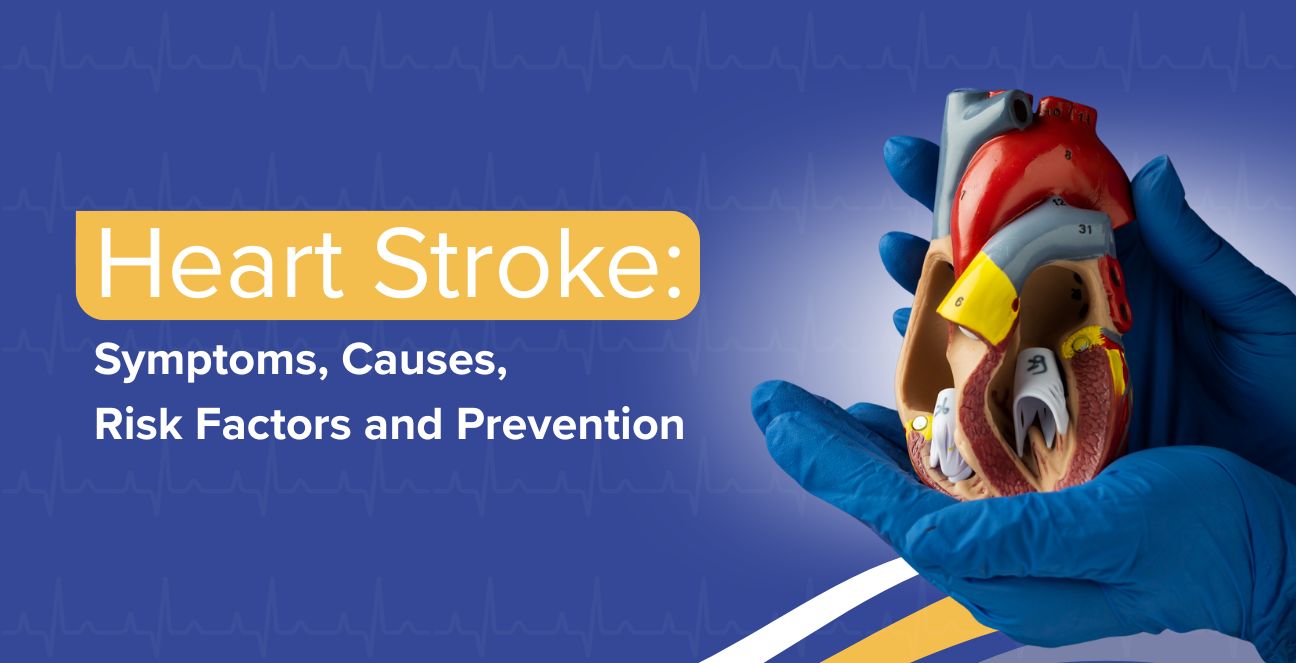
Heart Stroke: Symptoms, Causes, Risk Factors and Prevention
A “heart stroke” is sometimes used to describe a serious heart-related emergency, but a heart attack and a stroke are different medical conditions. A heart attack occurs when blood flow to part of the heart muscle becomes blocked, while a stroke affects the brain when its blood supply is interrupted or a blood vessel bleeds. Both conditions are medical emergencies and require immediate medical attention.
Understanding the symptoms, causes, risk factors, and prevention of heart attack and stroke can help people recognize warning signs early and seek emergency care without delay.
What Is a Heart Attack?
A heart attack, also called a myocardial infarction, occurs when blood flow to part of the heart muscle is blocked. Without enough oxygen-rich blood, the affected heart muscle can become damaged.
The most common cause is coronary artery disease. Fatty deposits can build up inside the coronary arteries over time. If a plaque ruptures, a blood clot may form and block blood flow. Prompt treatment can restore blood flow and reduce heart damage.
Heart Attack vs Stroke: What Is the Difference?
Although heart attacks and strokes share several risk factors, they affect different organs and have different warning signs.
A heart attack mainly affects the heart and usually results from blocked blood flow to the heart muscle. A stroke affects the brain and may occur because of a blocked blood vessel or bleeding in the brain.
Common heart attack symptoms include:
- Chest pressure or discomfort
- Pain spreads to the arm, shoulder, neck, jaw, or back.
- Shortness of breath
- Cold sweating
- Nausea or vomiting
- Dizziness or unusual weakness
Stroke symptoms may include:
- Sudden weakness or numbness of the face, arm, or leg
- Difficulty speaking or understanding speech
- Sudden vision problems
- Sudden dizziness or loss of balance
- Severe sudden headache without an obvious cause
If stroke symptoms appear suddenly, seek emergency medical care immediately.
What Are the Symptoms of a Heart Attack?
Recognizing heart attack symptoms early can help a person receive treatment sooner.
Chest Pain or Discomfort
Chest discomfort is one of the most common warning signs. It may feel like pressure, tightness, squeezing, heaviness, fullness, burning, or general discomfort. The sensation may last for several minutes or come and go.
Pain That Spreads
Heart attack discomfort may spread from the chest to one or both arms, shoulders, neck, jaw, or back. The location and intensity of discomfort can vary from person to person.
Shortness of Breath
Shortness of breath may occur with or without chest discomfort. Some people may feel unable to take a full breath or become unusually breathless during routine activities.
Sweating, Nausea, and Dizziness
Sudden cold sweating can occur during a heart attack. Some people may also experience nausea, vomiting, indigestion-like discomfort, dizziness, lightheadedness, weakness, or unusual tiredness.
Symptoms in Women
Symptoms can vary between individuals. Women may experience chest discomfort but can also have shortness of breath, unusual tiredness, nausea, back pain, or jaw discomfort. Persistent or unexplained symptoms should not be ignored.
What Causes a Heart Attack?
Coronary artery disease is the most common cause of a heart attack. Over time, atherosclerosis can cause fatty deposits to build up inside the coronary arteries. If a plaque breaks open, a blood clot may form and restrict blood flow. When the heart muscle does not receive enough oxygen, damage can occur.
Less common causes may include severe coronary artery spasm, certain blood vessel conditions, or other medical circumstances.
Heart Attack Risk Factors
Several factors can increase the risk of cardiovascular disease and heart attack.
High Blood Pressure
High blood pressure can damage blood vessel walls over time and increase cardiovascular risk. Because it often causes no obvious symptoms, regular blood pressure checks are important.
High Cholesterol
High levels of LDL cholesterol can contribute to plaque formation inside arteries. Regular cholesterol testing can help identify cardiovascular risk.
Diabetes
Diabetes increases the risk of cardiovascular disease. High blood glucose levels over time can contribute to blood vessel damage. Managing blood sugar, blood pressure, and cholesterol is important.
Smoking and Tobacco Use
Smoking damages blood vessels and significantly increases cardiovascular risk. Quitting tobacco is an important step toward better heart health.
Excess Weight and Physical Inactivity
Excess body weight can increase the likelihood of high blood pressure, diabetes, and abnormal cholesterol. A sedentary lifestyle can also increase heart disease risk, while regular physical activity supports cardiovascular health.
Unhealthy Diet
A diet high in saturated fats, trans fats, excess salt, and highly processed foods can contribute to cardiovascular risk. A balanced diet containing vegetables, fruits, whole grains, pulses, legumes, nuts, and appropriate protein sources can support heart health.
Family History and Age
A close family history of cardiovascular disease may increase an individual's risk. Cardiovascular risk generally increases with age, although heart disease can also occur in younger adults when multiple risk factors are present.
Stress and Poor Sleep
Long-term stress and inadequate sleep may contribute to cardiovascular risk and unhealthy habits. Maintaining healthy sleep patterns and finding effective ways to manage stress can support overall health.
Can a Heart Attack Happen Without Warning?
Yes. Some people experience warning symptoms before a heart attack, while others develop symptoms suddenly. Heart attacks can also cause mild or less typical symptoms.
Unexplained chest discomfort, shortness of breath, sweating, nausea, or sudden weakness should not be dismissed, particularly in people with cardiovascular risk factors.
What Should You Do During a Suspected Heart Attack?
If you suspect that you or someone else is having a heart attack, seek emergency medical care immediately. Do not wait to see whether symptoms disappear.
While waiting for emergency assistance:
- Stop physical activity and rest.
- Keep the person calm.
- Follow instructions provided by emergency medical professionals.
- Avoid driving yourself if emergency medical transport is available.
- Do not delay medical care by trying home remedies.
Heart attack treatment can be time-sensitive, so rapid medical evaluation is important.
How Is a Heart Attack Diagnosed?
Doctors use symptoms, medical history, physical examination, and diagnostic tests to diagnose a heart attack.
An ECG or EKG records the electrical activity of the heart and can help identify changes associated with a heart attack. Blood tests can measure cardiac biomarkers such as troponin, which may increase when heart muscle is damaged.
An echocardiogram uses ultrasound to assess heart function and movement. Coronary angiography can help doctors identify narrowing or blockages in the coronary arteries. Additional tests may be recommended depending on the patient's condition.
How Is a Heart Attack Treated?
Treatment depends on the type and severity of the heart attack and how quickly medical care is received. Medicines may be used to reduce blood clot formation, improve blood flow, control pain, or reduce the workload on the heart.
Some patients may require procedures to restore blood flow. Coronary angioplasty, also called percutaneous coronary intervention (PCI), uses a catheter to reach the affected artery. A balloon may be used to open the narrowed area, and a stent may be placed when appropriate.
Patients with significant or multiple coronary artery blockages may require coronary artery bypass grafting (CABG). The cardiology team determines the appropriate treatment based on the patient's condition and coronary anatomy.
How Can You Prevent a Heart Attack?
Many cardiovascular risk factors can be reduced through healthy lifestyle choices and appropriate medical care.
Eat a Heart-Healthy Diet
Choose more vegetables, fruits, whole grains, pulses, legumes, nuts, seeds, and appropriate lean protein sources. Limit excessive salt, added sugars, saturated fats, trans fats, and highly processed foods.
Exercise Regularly
Regular physical activity supports heart health, blood pressure, weight management, and blood sugar control. The appropriate type and intensity of exercise depend on age and health status. People with existing heart conditions should discuss suitable exercise with their doctor.
Stop Smoking
Quitting tobacco can significantly improve cardiovascular health. People who smoke can discuss evidence-based quitting support with a healthcare professional.
Manage Blood Pressure, Cholesterol, and Diabetes
Regular monitoring can help identify important cardiovascular risk factors. Follow medical advice for hypertension, high cholesterol, or diabetes, and do not stop prescribed medicines without medical guidance.
Maintain a Healthy Weight and Sleep Well
Gradual, sustainable weight management can support cardiovascular health. Maintaining a consistent sleep schedule and addressing persistent sleep problems can also contribute to overall health.
When Should You See a Cardiologist?
A cardiology consultation may be appropriate if you have:
- Recurrent chest discomfort
- Breathlessness during routine activity
- High blood pressure
- High cholesterol
- Diabetes
- A strong family history of heart disease
- Previous heart disease
- Abnormal ECG results
- Palpitations or unexplained dizziness
People with multiple cardiovascular risk factors may also benefit from a preventive heart health assessment.
Heart Health Care in Hyderabad and Medchal
If you are looking for heart care in Hyderabad or Medchal, timely medical evaluation is important, particularly when symptoms may indicate a heart attack. MediCiti Hospitals provides medical and diagnostic services for patients requiring evaluation and management of cardiovascular concerns.
Sudden or severe symptoms require emergency medical attention rather than waiting for a routine appointment. For ongoing heart health, regular monitoring of blood pressure, cholesterol, diabetes, weight, and other cardiovascular risk factors can help identify concerns early.
Conclusion
A heart attack is a serious medical emergency that occurs when blood flow to part of the heart muscle becomes blocked. Recognizing symptoms such as chest discomfort, shortness of breath, sweating, nausea, dizziness, or pain spreading to the arm, jaw, neck, or back can help people seek medical attention quickly.
Risk factors include high blood pressure, high cholesterol, diabetes, smoking, physical inactivity, excess weight, unhealthy diet, age, and family history. Many of these factors can be managed through healthy lifestyle choices, regular monitoring, and appropriate medical care.
If symptoms could indicate a heart attack or stroke, do not wait for them to improve on their own. Seek emergency medical care immediately.