 10/09/2026
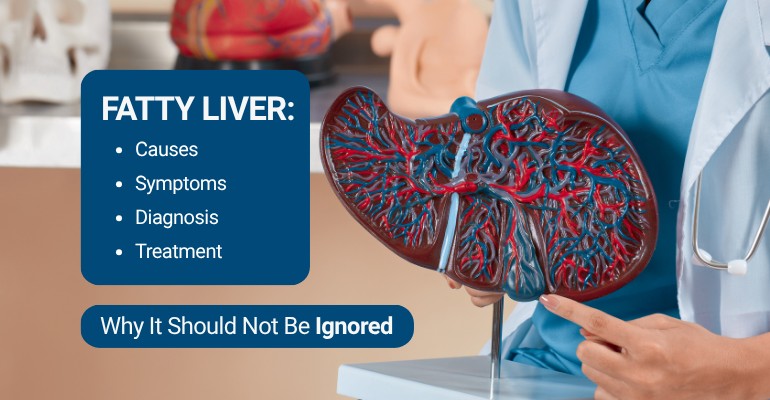
Fatty Liver: Causes, Symptoms, Diagnosis, Treatment, and Why It Should Not Be Ignored
Fatty liver disease is becoming increasingly common and can affect people of different ages. It occurs when excess fat builds up in the liver. In its early stages, fatty liver may not cause noticeable symptoms, so many people may have the condition without knowing it. However, ignoring it can allow liver inflammation and damage to develop over time.
Fatty liver is often associated with obesity, diabetes, high cholesterol, unhealthy eating habits, and a sedentary lifestyle. The good news is that early diagnosis and appropriate lifestyle changes can often help reduce liver fat and prevent complications.
Understanding the causes, symptoms, diagnosis, and treatment of fatty liver can help you take action before the condition becomes more serious.
What Is Fatty Liver?
Fatty liver, medically known as hepatic steatosis, occurs when an excessive amount of fat accumulates inside liver cells.
The liver performs several important functions, including processing nutrients, removing harmful substances from the blood, producing proteins, and helping regulate metabolism. When too much fat accumulates in the liver, its normal function can be affected.
A small amount of fat in the liver may not cause a problem. However, significant fat accumulation, particularly when accompanied by inflammation, can increase the risk of liver damage.
Fatty liver is broadly divided into two major categories:
Metabolic Dysfunction-Associated Steatotic Liver Disease (MASLD)
MASLD is associated with metabolic risk factors such as excess weight, type 2 diabetes, insulin resistance, high blood pressure, and abnormal cholesterol levels. It was previously commonly referred to as non-alcoholic fatty liver disease (NAFLD).
Alcohol-Associated Liver Disease
Regular excessive alcohol consumption can cause fat to accumulate in the liver. Continued alcohol use can progress from fatty liver to inflammation, scarring, and, in severe cases, cirrhosis.
The cause of fatty liver is important because treatment and management depend on the underlying factors.
What Causes Fatty Liver?
Fatty liver can develop because of several different factors. In many cases, multiple risk factors occur together.
1. Overweight and Obesity
Excess body weight, particularly increased abdominal fat, is strongly associated with fatty liver. Extra fat can contribute to insulin resistance and increased fat storage in the liver.
2. Diabetes and Insulin Resistance
People with type 2 diabetes or insulin resistance have a higher risk of developing fatty liver. Changes in how the body processes glucose and fat can increase fat accumulation within liver cells.
3. High Cholesterol and Triglycerides
Abnormal blood lipid levels, particularly elevated triglycerides, may contribute to the development of fatty liver.
4. Unhealthy Diet
A diet high in sugary drinks, sweets, refined carbohydrates, highly processed foods, and unhealthy fats can increase the risk of excessive liver fat, particularly when combined with low physical activity.
5. Lack of Physical Activity
A sedentary lifestyle can contribute to weight gain, insulin resistance, and metabolic problems, all of which may increase the risk of fatty liver.
6. Alcohol Consumption
Excessive alcohol intake can directly damage liver cells and cause fat accumulation. The risk increases with continued heavy drinking.
7. Certain Medications and Medical Conditions
Some medicines and health conditions can contribute to fatty liver. Therefore, people who develop abnormal liver tests should discuss their medications and medical history with a doctor rather than stopping any prescribed medicine on their own.
What Are the Symptoms of Fatty Liver?
One of the main challenges with fatty liver is that many people do not have obvious symptoms, especially during the early stages.
When symptoms occur, they may include:
- Tiredness or fatigue
- A feeling of discomfort or heaviness in the upper right side of the abdomen
- General weakness
- Reduced appetite
- Unexplained changes in weight
These symptoms are not specific to fatty liver and can occur with many other health conditions. Therefore, symptoms alone cannot confirm the diagnosis.
As liver disease progresses and significant inflammation or scarring develops, symptoms can become more noticeable. Advanced liver disease may cause jaundice, swelling in the legs or abdomen, easy bruising, confusion, or other serious symptoms.
This is why people with risk factors should not wait for symptoms before discussing liver health with a doctor.
How Is Fatty Liver Diagnosed?
Fatty liver is usually diagnosed through a combination of medical history, physical examination, blood tests, and imaging.
Medical History and Examination
Your doctor may ask about:
- Diet and lifestyle
- Alcohol consumption
- Body weight and recent weight changes
- Diabetes or blood sugar problems
- Cholesterol levels
- Existing medical conditions
- Medications and supplements
- Family history of liver disease
A physical examination may also help identify signs associated with liver or metabolic problems.
Blood Tests
Blood tests can help assess liver function and identify elevated liver enzymes. Doctors may also recommend tests to check blood sugar, cholesterol, and other factors associated with metabolic health.
Normal liver enzyme levels do not always rule out fatty liver or significant liver disease. Therefore, blood tests are usually considered along with other findings.
Ultrasound and Other Imaging Tests
An abdominal ultrasound is commonly used to identify fat accumulation in the liver. Depending on the individual's situation, a doctor may recommend additional imaging or liver stiffness assessment, such as elastography, to evaluate possible fibrosis or scarring.
Fibrosis Assessment
Not everyone with fatty liver develops significant liver damage. Doctors may use clinical scoring systems and non-invasive tests to estimate the risk of liver fibrosis.
In selected cases where the diagnosis or severity remains uncertain, a liver biopsy may be considered. This is not necessary for every person with fatty liver.
Why Should Fatty Liver Not Be Ignored?
Fatty liver is sometimes dismissed as a harmless condition because it may not cause symptoms. However, some people can develop progressive liver inflammation and scarring.
A possible progression is:
Fat accumulation → inflammation → fibrosis (scarring) → cirrhosis
Not everyone with fatty liver follows this progression, and the risk varies between individuals. However, people with obesity, diabetes, metabolic syndrome and other risk factors may have a higher risk of progressive liver disease.
Advanced liver disease can affect the liver's ability to perform its essential functions. Severe cirrhosis may eventually lead to complications such as fluid accumulation, internal bleeding, liver failure, and an increased risk of liver cancer.
Fatty liver is also closely associated with broader metabolic health. People with metabolic fatty liver disease may have an increased risk of cardiovascular disease, making overall health management an important part of treatment.
Early recognition provides an opportunity to address the underlying causes before significant liver damage develops.
How Is Fatty Liver Treated?
No single treatment works for everyone with fatty liver. Management depends on the cause, severity of liver disease, and the person's overall health.
1. Gradual Weight Management
For people who are overweight or obese, gradual and sustained weight loss can help reduce liver fat and may improve inflammation and liver health.
Crash diets and rapid weight loss should generally be avoided unless medically supervised. A doctor or qualified nutrition professional can help develop a realistic plan.
2. Follow a Balanced Diet
A liver-friendly eating pattern should focus on:
- Vegetables and fruits in appropriate portions
- Whole grains
- Pulses and legumes
- Lean sources of protein
- Fish and other healthy protein choices
- Nuts and seeds in suitable portions
- Healthy unsaturated fats
It is also important to reduce excessive sugar, sugary beverages, refined carbohydrates, highly processed foods, and foods high in unhealthy fats.
3. Exercise Regularly
Regular physical activity can improve insulin sensitivity and metabolic health and may help reduce liver fat.
A combination of aerobic activity and strength training can be beneficial. The appropriate amount and intensity of exercise should be based on age, fitness level, and existing health conditions.
4. Control Diabetes, Cholesterol and Blood Pressure
Managing blood sugar, cholesterol and blood pressure is an important part of reducing overall health risks associated with metabolic fatty liver disease.
Doctors may prescribe medications for these conditions when necessary.
5. Avoid or Limit Alcohol
People with liver disease should discuss alcohol consumption with their doctor. Depending on the type and severity of liver disease, complete avoidance of alcohol may be recommended.
6. Medications for Selected Patients
Medication may be considered for certain patients with more advanced forms of metabolic liver disease or specific risk factors. Treatment decisions should be individualized by a qualified doctor.
Do not start supplements or herbal products marketed as “liver cleansers” without medical advice. Some supplements can interact with medicines or potentially cause liver injury.
Can Fatty Liver Be Reversed?
In many people, particularly when diagnosed early, liver fat can be significantly reduced through appropriate lifestyle changes and management of underlying health conditions.
However, the possibility of reversal depends on the stage of liver disease. Fat accumulation may improve considerably, while established fibrosis or cirrhosis may be more difficult to reverse.
The goal is therefore not simply to treat liver fat but to identify and manage the factors contributing to liver disease and prevent progression.
Regular medical follow-up can help monitor liver health and assess whether further testing or treatment is needed.
When Should You See a Doctor?
You should consider speaking with a doctor if you:
- Have been told that you have fatty liver on an ultrasound
- Have persistently abnormal liver blood tests
- Have diabetes or insulin resistance.
- Have obesity or significant abdominal weight gain.
- Have high triglycerides or cholesterol
- Regularly consume excessive alcohol.
- Have a family history of liver disease.
- Develop persistent abdominal discomfort, unexplained fatigue, or other concerning symptoms.
Seek prompt medical attention if you develop symptoms such as yellowing of the eyes or skin, significant abdominal swelling, vomiting blood, black stools, severe confusion, or sudden worsening weakness.
Take Fatty Liver Seriously, But Don't Panic
A diagnosis of fatty liver does not automatically mean that severe liver disease is present. Many people can improve their liver health with early intervention, appropriate nutrition, physical activity, and management of associated medical conditions.
The most important step is not to ignore the diagnosis. Understanding why fatty liver has developed and determining whether there is inflammation or fibrosis can help your doctor create an appropriate management plan.
If you have risk factors or have recently been diagnosed with fatty liver, a medical evaluation can help determine the next steps. At MediCiti Hospitals, patients can receive evaluation and guidance for liver and metabolic health concerns based on their individual medical needs.