 27/10/2026
DJ Stent: Purpose, Symptoms, Recovery and When It Should Be Removed
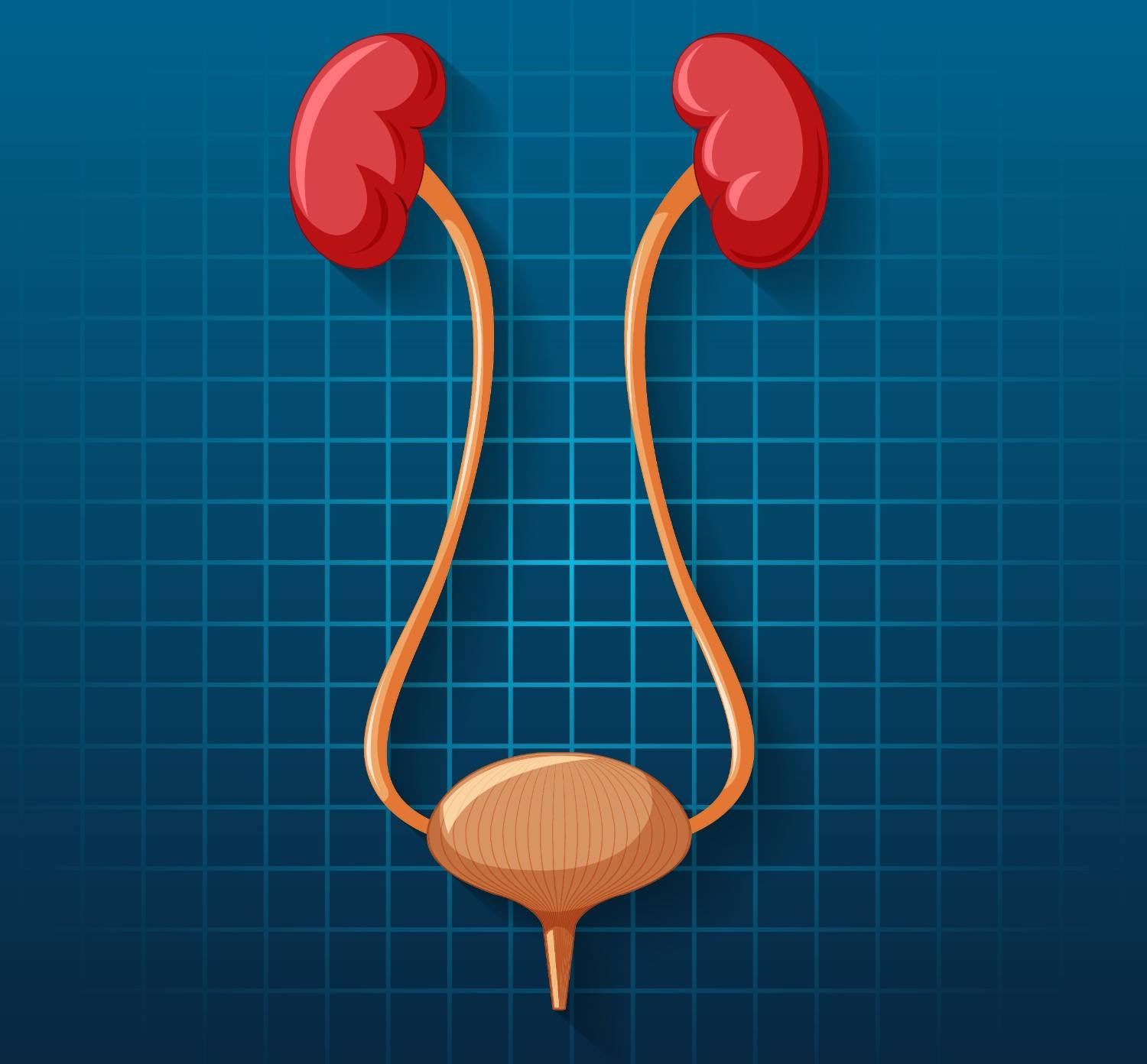
A Double-J (DJ) stent is a thin, flexible tube placed inside the ureter, the passage that carries urine from the kidney to the bladder. It helps urine drain when swelling, kidney stones or another problem may obstruct the ureter. A DJ stent is commonly used during or after certain urological procedures, including treatments for kidney stones.
Although a DJ stent can help maintain urine flow and support recovery after a procedure, it may cause temporary symptoms such as frequent urination, an urgent need to pass urine, discomfort in the lower abdomen or back, and blood in the urine. These symptoms can be uncomfortable, but their severity varies from person to person.
Understanding why a DJ stent is placed, how to manage symptoms and when the stent should be removed can help patients prepare for recovery. The most important step is to follow the urologist's instructions and attend the planned follow-up appointment, because a DJ stent is generally intended to remain in place for a specified period.
What Is a DJ Stent?
A Double-J stent, also called a ureteral stent, is a small, hollow tube inserted into the ureter. Its two curled ends help keep it in position: one end rests in the kidney and the other in the bladder.
The ureter normally carries urine from the kidney to the bladder. If a kidney stone, swelling or another obstruction interferes with this flow, urine may build up in the kidney. A stent can help maintain drainage while the underlying problem is treated or the ureter recovers.
A DJ stent is placed inside the urinary tract and is not usually visible from outside the body. Some stents have a thin removal string extending through the urethra, but many do not.
The stent does not necessarily remove a kidney stone or treat the underlying cause of an obstruction. Instead, it helps urine pass through the ureter while the patient receives appropriate treatment.
Why Is a DJ Stent Used?
A urologist may recommend a DJ stent when urine needs to drain through the ureter while an underlying problem is managed.
1. After Kidney Stone Treatment
A DJ stent may be placed after procedures used to treat kidney or ureteric stones. Depending on the procedure and the patient's condition, temporary swelling, stone fragments or other factors may interfere with urine drainage.
The stent helps maintain a pathway for urine to pass from the kidney to the bladder while the urinary tract recovers.
Not every patient who undergoes kidney stone treatment needs a stent. The decision depends on the stone, the procedure performed and the urologist's assessment.
2. To Relieve Ureteric Obstruction
A ureter may become blocked by a stone or narrowed because of another medical problem. When appropriate, a stent can help restore urine drainage and reduce the effects of an obstruction.
An obstructed kidney accompanied by infection or other serious symptoms may require urgent medical treatment. A stent is one possible way to relieve the obstruction, depending on the clinical situation.
3. After Certain Urological Procedures
A DJ stent may be used after selected procedures involving the ureter or kidney. It can help maintain drainage while swelling settles and the urinary tract heals.
The need for a stent, and how long it should remain in place, varies according to the procedure and the patient's recovery.
4. To Support Urine Drainage in Selected Conditions
Certain strictures, injuries or other conditions affecting the ureter may require temporary or longer-term stenting. In these cases, the urologist decides whether a stent is suitable and how it should be monitored.
The underlying diagnosis determines the treatment plan. A DJ stent is not appropriate for every urinary problem.
What Symptoms Can Occur After DJ Stent Placement?
Some discomfort is common while a DJ stent is in place. Symptoms may become more noticeable during physical activity or while passing urine. The presence of symptoms does not automatically mean that the stent has moved or that a complication has developed, but significant or changing symptoms should be assessed.
1. Frequent Urination
You may need to pass urine more frequently than usual, including during the night. The stent can irritate the bladder and create the sensation that it needs to empty more often.
If frequent urination is accompanied by fever, worsening pain or feeling unwell, contact your healthcare professional because infection may need to be ruled out.
2. Urinary Urgency
Urinary urgency is a sudden, strong need to pass urine. Some people experience urgency even when only a small amount of urine is present in the bladder.
This symptom may be related to irritation from the stent. If it becomes severe or is associated with new urinary leakage, seek medical advice.
3. Pain in the Back, Side or Lower Abdomen
Some patients experience discomfort around the kidney, flank, bladder or lower abdomen. Pain may also become more noticeable during urination because pressure changes within the urinary tract can affect the stent and surrounding tissues.
Follow the pain-management plan provided by your treating clinician. Severe pain that does not improve with prescribed treatment requires prompt assessment.
4. Blood in the Urine
A small amount of blood in the urine can occur while a stent is in place, particularly after activity or a recent procedure. The amount may vary.
Do not assume that all bleeding is harmless. Heavy bleeding, clots, increasing blood in the urine or difficulty passing urine should be assessed promptly.
5. Burning or Discomfort During Urination
Some people experience burning or discomfort when passing urine. Stent-related irritation can cause these symptoms, but a urinary tract infection may produce similar problems.
Fever, chills, worsening urinary discomfort or feeling generally unwell should not be ignored. A clinician may need to assess the symptoms and arrange urine testing.
6. A Feeling of Incomplete Bladder Emptying
The bladder may feel as though it has not emptied, even after urination. This sensation can occur with a ureteric stent.
If you are unable to pass urine, develop persistent leakage or experience significant changes in urinary function, seek medical advice.
How Long Does a DJ Stent Stay In?
There is no single duration that applies to every patient. The time a DJ stent remains in place depends on why it was inserted, the procedure performed, the condition of the ureter and the patient's recovery.
Some stents are removed after a short period, while others need to remain for longer under medical supervision. Patients treated for kidney stones may receive different removal schedules depending on the circumstances.
Your urologist should tell you when the stent is expected to be removed or exchanged. Keep the appointment details and contact the treating hospital if you are unsure of the planned date.
Do not leave a DJ stent in place longer than advised without contacting your urologist. A stent that remains for too long may develop mineral deposits, become blocked or contribute to infection and other complications. The risk depends on the stent and the length of time it remains in place.
If you have missed your planned removal appointment, contact your urology team as soon as possible rather than waiting for symptoms to develop.
How Is a DJ Stent Removed?
The removal method depends on the type of stent and the instructions given by the urologist.
Removal Using a Cystoscope
When the stent has no external string, it is commonly removed in a clinical setting using a cystoscope. This is a thin instrument with a camera that is passed through the urethra into the bladder.
The clinician identifies the stent and uses a small instrument to grasp and remove it. The procedure is generally brief, although the experience and comfort level vary between patients.
Your healthcare team will explain any preparation needed and what to expect afterwards.
Removal Using a String
Some stents have a string that allows removal without a cystoscope. If your stent has a string, follow the exact instructions from your treating urologist.
Do not pull a stent string or attempt removal yourself unless your urologist has specifically instructed you to do so. If the string is accidentally pulled, the stent appears to have moved, or you are unsure how to proceed, contact the treating team.
Is DJ Stent Removal Painful?
The experience varies. Some patients report brief discomfort, pressure or a burning sensation, while others tolerate removal relatively well. Temporary urinary discomfort or mild cramping may occur afterwards.
Follow the preparation and aftercare instructions provided by your healthcare team. Do not take additional medicines or attempt a removal procedure without appropriate advice.
Recovery and Care While a DJ Stent Is in Place
Practical steps may help you manage everyday activities while the stent is in place. Your own instructions should take priority because the advice may differ according to the procedure and medical history.
Drink Fluids as Advised
Adequate fluid intake may help maintain urine flow and reduce urine concentration. However, the right amount depends on your health, kidney function and any fluid restrictions.
Follow the fluid advice provided by your urologist. People with certain heart or kidney conditions may need specific limits rather than a general recommendation to drink large amounts.
Take Medicines Only as Directed
Your clinician may recommend medicines to manage pain, bladder spasms or other symptoms. Take them according to the prescribed instructions.
Do not start antibiotics, prescription medicines or over-the-counter pain relievers without checking whether they are suitable for you. Some medicines may be inappropriate for people with kidney disease, stomach problems or other medical conditions.
Adjust Physical Activity if Symptoms Worsen
Many patients can continue ordinary daily activities, depending on their recovery. However, strenuous activity may increase discomfort or blood in the urine in some people.
Follow the activity restrictions provided after your procedure. If exercise causes worsening pain or noticeable bleeding, stop the activity, rest and contact your clinician if symptoms persist or are significant.
Maintain Normal Personal Hygiene
Follow the discharge instructions provided by your treating team. A stent is inside the urinary tract, so ordinary external washing does not remove it or replace medical follow-up.
If a removal string is present, ask your healthcare team how to protect it and what to do if it becomes displaced.
Keep Your Removal Appointment
Stent removal is an essential part of the treatment plan. Record the planned date and contact the hospital if you cannot attend.
If you are unsure whether the stent is still in place or have not received a removal plan, contact the urology team rather than assuming that the stent will pass on its own.
What Happens After DJ Stent Removal?
After removal, some patients notice temporary burning during urination, mild blood in the urine, urgency or cramping. These symptoms often settle relatively quickly, but recovery varies.
Follow the aftercare advice given by your urologist, including instructions about fluids, activities and medicines.
Contact your healthcare professional if symptoms worsen, do not improve as expected or interfere significantly with daily activities. Fever, chills, severe pain, persistent vomiting or an inability to pass urine require urgent medical evaluation.
Removal of the stent does not always mean that the original condition has been completely resolved. Depending on why it was inserted, you may need follow-up tests or further treatment for kidney stones, a narrowing of the ureter or another underlying problem.
What Are the Possible Complications of a DJ Stent?
Most patients are monitored for expected stent-related symptoms, but complications can occur.
Possible problems include:
Urinary tract infection: Infection may cause fever, chills, urinary discomfort or feeling unwell.
Stent displacement: The stent may move from its intended position.
Blockage: The stent may become obstructed, affecting urine drainage.
Mineral deposits or encrustation: Deposits can accumulate if the stent remains in place for too long.
Persistent pain or bleeding: Symptoms that are severe or worsening may require investigation.
The likelihood of complications depends on the reason for stenting, the duration of placement and individual health factors. Timely follow-up and removal or exchange as advised can help reduce risks.
When Should You Seek Medical Attention?
Contact your urologist promptly if you develop concerning symptoms while a DJ stent is in place or after its removal.
Seek urgent medical evaluation for:
- Fever or chills, particularly with urinary symptoms.
- Severe or increasing pain that does not improve with the recommended treatment.
- Heavy blood in the urine or blood clots.
- Inability or significant difficulty passing urine.
- Persistent vomiting or inability to keep fluids down.
- New or continuous urine leakage.
- A stent that appears to have moved or fallen out.
Fever with an obstructed urinary tract can indicate a serious infection and should not be managed with home remedies alone. If symptoms are severe or you cannot reach your treating team, attend an emergency department.
Frequently Asked Questions About DJ Stents
Is it normal to have blood in the urine with a DJ stent?
A small amount of blood may occur while the stent is in place, particularly after activity or a recent procedure. Heavy bleeding, clots, increasing bleeding or difficulty passing urine needs medical assessment.
Can I walk or work with a DJ stent?
Many patients can continue ordinary activities, depending on the procedure and their recovery. Follow your clinician's instructions and adjust activities that increase pain or bleeding.
Can a DJ stent cause frequent urination?
Yes. The stent can irritate the bladder and cause frequent urination or urgency. If these symptoms occur with fever, worsening pain or feeling unwell, contact your healthcare professional.
Does a DJ stent remove kidney stones?
No. A DJ stent mainly helps urine drain through the ureter. Kidney stones may require separate treatment or may pass depending on their size, location and clinical circumstances.
Can a DJ stent remain in place indefinitely?
A DJ stent should not be assumed to be suitable for indefinite use. The planned duration depends on the type of stent and the reason it was placed. Some patients require scheduled exchanges, while others need removal after a shorter period.
What should I do if I miss my DJ stent removal date?
Contact your urologist or the treating hospital as soon as possible to arrange a review. Do not wait for symptoms to develop or attempt to remove the stent without specific instructions.
Will I need further treatment after the stent is removed?
That depends on the original problem. Some patients need only routine follow-up, while others may require imaging, further kidney stone treatment or monitoring of an underlying ureteric condition.
Understanding DJ Stent Care With MediCiti Hospitals
A DJ stent helps maintain urine drainage when the ureter needs support after kidney stone treatment or another urological problem. Although urinary urgency, frequency, mild discomfort and some blood in the urine may occur, symptoms should be monitored, and concerning changes should be reported.
Patients can support recovery by following medical instructions, taking medicines as prescribed and keeping the planned stent removal appointment. Prompt assessment is important when symptoms suggest infection, obstruction or displacement.
Patients who have questions about DJ stent placement, urinary symptoms or removal can contact MediCiti Hospitals to enquire about urology consultation and the care available for their condition.