 29/10/2026
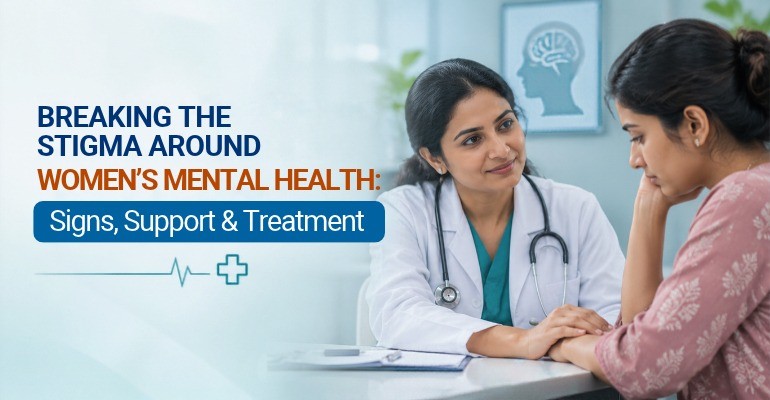
Breaking the Stigma Around Women’s Mental Health: Signs, Support and Treatment
Women's mental health is an important part of overall health, yet emotional and psychological difficulties are often overlooked or misunderstood. Many women experience stress, anxiety, low mood, or emotional exhaustion while balancing work, family responsibilities, relationships, and personal expectations. Despite these challenges, some hesitate to seek professional help because of social stigma, fear of judgement, or the belief that they should manage everything on their own.
Breaking the stigma around women's mental health begins with recognising that mental health conditions are genuine health concerns, not signs of weakness. Women can experience mental health difficulties at different stages of life, including adolescence, adulthood, pregnancy, menopause, and older age. Early recognition, appropriate treatment, and support from family and healthcare professionals can make a meaningful difference.
MediCiti Hospitals encourages greater awareness of women's mental health so that women feel more comfortable discussing their concerns and seeking medical guidance when needed.
Why Is Women's Mental Health Important?
Mental health influences how people think, feel, manage stress, maintain relationships, and make everyday decisions. When emotional difficulties persist, they can affect sleep, concentration, physical health, work, and family life.
Women may face several overlapping pressures, such as caregiving responsibilities, workplace expectations, financial concerns, relationship difficulties, and social expectations about how they should behave. Hormonal changes during certain life stages may also influence mood and emotional well-being, although mental health conditions usually involve multiple biological, psychological, and social factors.
Common challenges affecting women's mental health include:
- Persistent stress and emotional exhaustion.
- Anxiety and excessive worrying.
- Depression and prolonged low mood.
- Difficulties adjusting to major life changes.
- Body image concerns and low self-esteem.
- Emotional distress associated with pregnancy, childbirth, or menopause.
- Mental health difficulties related to trauma, abuse, or relationship problems.
These experiences are not identical for every woman. Understanding individual circumstances is essential to providing appropriate support and care.
Breaking the Stigma Around Women's Mental Health
Mental health stigma occurs when people are judged, misunderstood, or treated unfairly because they experience psychological difficulties. It can discourage women from discussing their symptoms or accessing professional treatment.
1. Challenging the Idea That Women Must Always Be Strong
Women are sometimes expected to manage careers, family responsibilities, relationships, and caregiving without expressing distress. When they struggle emotionally, they may feel guilty or believe they are failing to meet expectations.
However, experiencing anxiety, sadness, or emotional exhaustion does not mean someone is weak. Everyone can experience periods of psychological difficulty, and some conditions require professional assessment and treatment.
Recognising personal limits and asking for help are important parts of maintaining health.
2. Addressing Misconceptions About Mental Health Conditions
Depression and anxiety are sometimes dismissed as temporary sadness, overthinking, or an inability to handle pressure. Such misconceptions can prevent women from recognising when their symptoms need attention.
Mental health conditions can affect thoughts, emotions, behaviour, sleep, and daily functioning. They may develop gradually or appear following stressful events, medical changes, or other contributing factors.
Accurate information helps women and their families distinguish ordinary emotional reactions from symptoms that may require clinical assessment.
3. Encouraging Open Conversations
Women may avoid discussing mental health because they fear criticism from relatives, colleagues, or their wider community. Creating supportive environments where people can speak without judgement can help reduce this barrier.
Listening with empathy, respecting privacy, and avoiding dismissive comments can make it easier for someone to seek help.
Mental health conversations should be treated with the same seriousness and compassion as discussions about physical health.
Common Mental Health Conditions Affecting Women
Women can experience a range of mental health conditions. Symptoms, severity, and treatment needs vary from person to person.
Depression
Depression is more than feeling sad for a short period. It can involve persistent low mood, loss of interest in usual activities, reduced energy, difficulty concentrating, and feelings of hopelessness or worthlessness.
Other symptoms may include changes in sleep or appetite, irritability, social withdrawal, and difficulty managing daily responsibilities.
Depression can affect women at different life stages. Persistent symptoms should be discussed with a qualified healthcare professional, particularly when they interfere with everyday life.
Anxiety Disorders
Anxiety involves more than occasional worry. When fear or excessive worrying becomes persistent and difficult to control, it may indicate an anxiety disorder.
Possible symptoms include restlessness, muscle tension, racing thoughts, difficulty sleeping, trouble concentrating, and physical symptoms such as a rapid heartbeat.
Some women experience panic attacks involving sudden, intense fear and physical discomfort. Recurrent anxiety or panic symptoms deserve professional assessment, especially when they interfere with work, relationships, or daily activities.
Stress and Emotional Exhaustion
Stress can develop when demands feel greater than the time, energy, or resources available to manage them. Work pressure, financial difficulties, caregiving, relationship conflicts, and major life changes may contribute.
Short periods of stress are common, but prolonged stress can affect sleep, concentration, mood, and physical well-being.
Learning practical coping strategies, improving access to support, and addressing the underlying causes can help. Persistent or severe symptoms may also require professional care.
Post-Traumatic Stress Disorder
Some women develop post-traumatic stress disorder (PTSD) after experiencing or witnessing a traumatic event. This may include violence, abuse, serious accidents, or other threatening experiences.
Symptoms can include intrusive memories, nightmares, avoidance of reminders, heightened alertness, and persistent feelings of fear or distress.
PTSD is a recognised mental health condition, and treatment can help people process traumatic experiences and manage symptoms. Women experiencing these difficulties should be able to seek support in a safe, confidential environment.
Eating Disorders and Body Image Concerns
Social expectations about appearance, body weight, and physical attractiveness can affect self-esteem and emotional well-being. For some women, concerns about food, weight, or body image may develop into an eating disorder.
Warning signs can include severe restriction of food intake, binge eating, purging, or excessive concern about weight and body shape.
Eating disorders can have serious physical and psychological consequences. Early assessment and appropriate multidisciplinary treatment are important.
How Hormonal Changes Can Influence Women's Mental Health
Hormonal changes may affect mood and emotional well-being during certain stages of life. However, hormones are only one part of a person's overall mental health.
Menstrual Cycle-Related Mood Changes
Some women experience mood changes, irritability, anxiety, or low mood before menstruation. When symptoms are severe and significantly affect daily functioning, a clinician may assess for premenstrual dysphoric disorder (PMDD).
Tracking symptoms across menstrual cycles may help healthcare professionals understand patterns and recommend suitable management.
Pregnancy and After Childbirth
Pregnancy and the postpartum period can involve major physical, emotional, and lifestyle changes. Some women experience anxiety or depression during pregnancy or after delivery.
Postpartum depression is more persistent and serious than the temporary emotional changes commonly known as the baby blues. Symptoms may include prolonged sadness, guilt, loss of interest, anxiety, or difficulty managing daily responsibilities.
Women experiencing persistent or severe symptoms should seek professional assessment rather than assuming that emotional distress is simply part of motherhood.
Perimenopause and Menopause
During perimenopause and menopause, changing hormone levels may coincide with sleep disturbances, hot flashes, mood changes, and increased emotional distress.
Some women experience new or worsening anxiety or depressive symptoms during this period. However, these symptoms can have several causes, so assessment may be needed to identify appropriate treatment.
Discussing sleep, mood, physical symptoms, and medical history with a healthcare professional can help guide care.
Signs That a Woman May Need Mental Health Support
Recognising symptoms early can help women access support before difficulties become more disruptive.
Consider speaking with a healthcare professional if you experience:
- Persistent sadness, hopelessness, or irritability.
- Excessive worry that is difficult to control.
- Loss of interest in activities you previously enjoyed.
- Changes in appetite or sleeping patterns.
- Difficulty concentrating or making decisions.
- Withdrawal from friends, family, or social activities.
- Feelings of worthlessness, guilt, or helplessness.
- Emotional distress that affects work, relationships, or daily responsibilities.
- Increasing reliance on alcohol or other substances to cope with distress.
Experiencing one symptom does not automatically mean a person has a mental health disorder. A qualified professional can evaluate symptoms, their duration, possible contributing factors, and the appropriate next steps.
Seek urgent help if you experience thoughts of suicide or self-harm. Severe confusion, hallucinations, or a loss of contact with reality also require urgent medical assessment. If there is an immediate risk of harm, contact emergency services or go to the nearest emergency department.
Practical Ways to Support Women's Mental Health
Healthy routines and supportive relationships can contribute to emotional well-being. However, self-care should complement professional treatment when a mental health condition is present.
1. Talk to Someone You Trust
Sharing concerns with a trusted friend, family member, counsellor, or healthcare professional may reduce feelings of isolation.
Choose someone who listens respectfully and takes your concerns seriously. You do not need to wait until symptoms become severe before asking for support.
2. Maintain a Healthy Sleep Routine
Sleep difficulties can affect mood, concentration, and the ability to manage stress. Try to maintain consistent sleep and waking times and create a comfortable sleeping environment.
If persistent insomnia or excessive sleepiness affects your daily life, discuss it with a healthcare professional.
3. Include Physical Activity in Your Routine
Regular physical activity, when appropriate for your health and abilities, may support mood and general well-being. Walking, gentle stretching, or other enjoyable activities can be practical starting points.
Choose a routine that suits your circumstances rather than setting unrealistic expectations.
4. Maintain Balanced Nutrition
Regular, balanced meals help support general health and energy levels. Avoid restrictive eating patterns that increase stress or negatively affect your relationship with food.
If appetite changes, nutritional concerns, or disordered eating affect your well-being, consider seeking professional advice.
5. Set Realistic Boundaries
Trying to meet every expectation at work and home can contribute to emotional exhaustion.
Where possible, share responsibilities, ask for practical help, and make time for rest. Setting reasonable boundaries is not selfish; it can help protect your well-being over time.
6. Limit Unhelpful Social Comparison
Social media often presents selective views of people's appearance, achievements, and lifestyles. Comparing yourself with these portrayals may contribute to stress or low self-esteem.
Consider limiting content that makes you feel inadequate and spending more time on activities and relationships that support your well-being.
Treatment Options for Women's Mental Health
Mental health conditions are treatable, and the most appropriate approach depends on the individual's symptoms, medical history, preferences, and circumstances.
Psychological Counselling and Therapy
Psychotherapy provides a structured setting to understand thoughts, emotions, behaviours, and life challenges. Cognitive behavioural therapy (CBT), for example, can help people identify unhelpful thinking patterns and develop practical coping strategies.
Other forms of therapy may be appropriate depending on the condition and individual needs.
Medication When Appropriate
Some mental health conditions may benefit from prescribed medication. A qualified clinician can discuss possible benefits, side effects, and alternative treatments based on the person's circumstances.
Women who are pregnant, breastfeeding, planning a pregnancy, or taking other medicines should discuss these factors with their prescribing clinician. Do not start, stop, or change medication without appropriate medical guidance.
Medical Assessment and Follow-Up
A healthcare professional may assess symptoms, medical history, sleep, medication use, and possible physical contributors to emotional changes.
Follow-up appointments can help monitor progress and adjust treatment when necessary. Some women benefit from a combination of psychotherapy, medication, and practical support.
How Families and Communities Can Help
Family members, friends, workplaces, and communities can help reduce mental health stigma by responding with understanding rather than judgement.
Helpful approaches include:
- Listening without interrupting or minimising concerns.
- Avoiding labels that shame or blame women.
- Respecting confidentiality and personal boundaries.
- Offering practical help with daily responsibilities.
- Encouraging professional support when symptoms persist.
- Promoting accurate mental health information.
- Supporting fair access to mental healthcare.
Mental health awareness should also recognise that women have different circumstances and support needs. Respectful, non-judgemental care can make it easier for women to discuss their concerns and access appropriate treatment.
Frequently Asked Questions
Why is women's mental health awareness important?
Awareness helps women recognise symptoms, understand that mental health conditions are treatable, and seek support without fear of judgement. It can also help families identify when professional care may be needed.
Can hormonal changes affect women's mental health?
Hormonal changes during the menstrual cycle, pregnancy, the postpartum period, and menopause may influence mood in some women. Persistent or severe symptoms should be assessed because several biological, psychological, and social factors can contribute.
When should a woman seek professional mental health support?
Professional support is appropriate when anxiety, low mood, sleep changes, or emotional distress persist, worsen, or interfere with daily life. Thoughts of suicide or self-harm require urgent help.
Are mental health conditions treatable?
Yes. Depending on the condition, treatment may include psychotherapy, prescribed medication, practical support, or a combination of approaches. Early assessment can help identify suitable care.
How can families support a woman experiencing emotional distress?
Families can listen without judgement, offer practical assistance, respect privacy, and encourage professional support when needed. Dismissing symptoms or blaming the woman can make it harder for her to seek help.
Conclusion
Breaking the stigma around women's mental health starts with open conversations, accurate information, and access to appropriate care. Depression, anxiety, stress-related difficulties, and other mental health conditions can affect women at different stages of life, but they should not be a source of shame.
Recognising symptoms, building supportive relationships, maintaining healthy routines, and seeking professional guidance can help women take steps towards improved emotional well-being.
MediCiti Hospitals encourages women to discuss persistent emotional or psychological concerns with a qualified healthcare professional. Mental health deserves attention, understanding, and care just as much as physical health.