 07/10/2026
Adenomyosis: Causes, Symptoms, Diagnosis, Treatment and Precautions
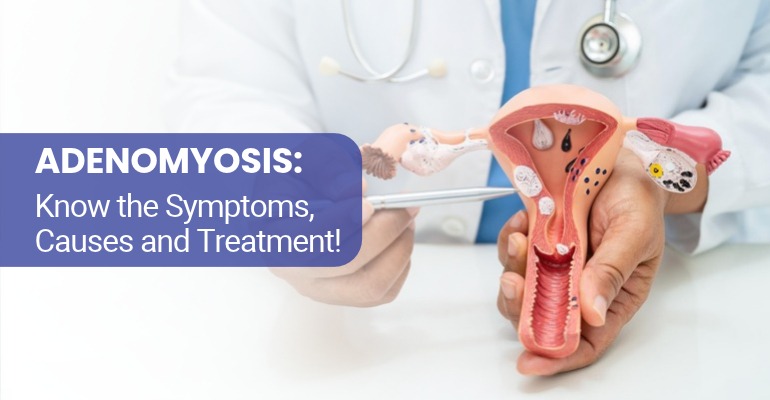
Adenomyosis is a condition in which tissue similar to the lining of the uterus grows into the muscular wall of the uterus. This can cause the uterus to become enlarged and may lead to heavy menstrual bleeding, painful periods and pelvic discomfort.
Although adenomyosis is not usually life-threatening, its symptoms can significantly affect a woman's daily life, work, relationships and emotional well-being. Some women have mild symptoms, while others experience severe menstrual pain or heavy bleeding that interferes with normal activities.
Understanding the causes, symptoms, diagnosis and treatment options for adenomyosis can help women recognize persistent menstrual changes and seek appropriate gynecological care.
What Is Adenomyosis?
The uterus has several layers. The inner lining, called the endometrium, changes during the menstrual cycle. The muscular layer surrounding it is called the myometrium.
In adenomyosis, endometrial-like tissue is found within the muscular wall of the uterus. This tissue continues to respond to hormonal changes during the menstrual cycle.
As a result, the affected area may become inflamed and swollen. Over time, the uterus can become enlarged and tender.
Adenomyosis is different from endometriosis, although the two conditions can occur together. In endometriosis, tissue similar to the uterine lining grows outside the uterus. In adenomyosis, the abnormal tissue is located within the uterine muscle.
Who Can Develop Adenomyosis?
Adenomyosis can occur in women of reproductive age and is more commonly diagnosed in women who have had pregnancies or are approaching the later reproductive years.
However, age alone does not determine whether someone will develop adenomyosis. The condition can occur in women with different reproductive histories.
Because symptoms can overlap with fibroids, endometriosis and other gynecological conditions, proper evaluation is important.
Symptoms of Adenomyosis
Some women with adenomyosis may have no noticeable symptoms. Others can experience significant menstrual and pelvic problems.
Common symptoms include:
- Heavy menstrual bleeding
- Painful periods
- Pelvic pain
- Severe menstrual cramps
- Lower abdominal discomfort
- Pain during sexual intercourse
- A feeling of pelvic pressure or fullness
- An enlarged or tender uterus
- Bleeding between periods in some cases
Heavy menstrual bleeding may lead to iron-deficiency anemia. Women with prolonged or very heavy periods may therefore experience fatigue, weakness, dizziness or shortness of breath related to anemia.
Heavy Periods and Adenomyosis
One of the most common symptoms of adenomyosis is heavy menstrual bleeding.
A woman may notice that she needs to change sanitary products more frequently than usual, passes larger blood clots or experiences periods that last longer than expected.
Heavy bleeding should not automatically be attributed to adenomyosis. Fibroids, hormonal conditions, bleeding disorders and other gynecological problems can also cause heavy periods.
A gynecological evaluation can help identify the underlying cause.
What Causes Adenomyosis?
The exact cause of adenomyosis is not fully understood.
Researchers have proposed several possible explanations. These include the movement of endometrial tissue into the uterine muscle following uterine injury or procedures, developmental changes in the uterus and hormonal influences.
Previous uterine surgery, including procedures such as cesarean delivery, has been associated with adenomyosis in some studies. However, having undergone surgery does not mean a woman will necessarily develop the condition.
Because the exact cause is not known, there is currently no guaranteed way to prevent adenomyosis.
Adenomyosis and Hormones
Adenomyosis is influenced by reproductive hormones, particularly estrogen.
Symptoms may become more noticeable during the reproductive years when hormone levels fluctuate with the menstrual cycle. For many women, symptoms improve after menopause as estrogen levels decline.
Hormonal changes are therefore an important consideration when discussing treatment.
Adenomyosis vs Endometriosis
Adenomyosis and endometriosis can cause similar symptoms, including pelvic pain and painful periods, but they are different conditions.
In adenomyosis, endometrial-like tissue grows within the muscular wall of the uterus.
In endometriosis, tissue similar to the uterine lining grows outside the uterus, often around pelvic organs.
Some women can have both conditions at the same time. A gynecologist may consider both possibilities when evaluating pelvic pain or heavy menstrual bleeding.
How Is Adenomyosis Diagnosed?
Diagnosing adenomyosis can sometimes be challenging because its symptoms overlap with other conditions.
A doctor may begin with a detailed medical and menstrual history. Questions may include:
- How long have the symptoms been present?
- How heavy are the periods?
- How long does menstrual bleeding last?
- How severe is the pain?
- Is there pain between periods?
- Is there pain during sexual intercourse?
- Has there been previous pelvic surgery?
- Are there fertility concerns?
A pelvic examination may also be performed.
Ultrasound
Ultrasound is commonly used when adenomyosis is suspected. It may help identify changes in the appearance of the uterine muscle and detect an enlarged uterus.
Transvaginal ultrasound may provide more detailed images of the uterus in women for whom the examination is appropriate.
MRI
Magnetic resonance imaging, or MRI, can provide more detailed images of the uterus and may be recommended when the diagnosis is uncertain or when additional information is needed for treatment planning.
Blood Tests
Blood tests do not directly diagnose adenomyosis. However, they may be used to check for anemia when menstrual bleeding is heavy.
Treatment for Adenomyosis
Treatment depends on the severity of symptoms, age, reproductive plans, overall health and personal preferences.
Some women with mild symptoms may only need monitoring. Others may require medication or surgical treatment.
Pain Relief Medicines
Nonsteroidal anti-inflammatory drugs, commonly called NSAIDs, may help reduce menstrual pain and inflammation in some women.
These medicines are not suitable for everyone. Women should discuss their medical history and other medications with a healthcare professional before using them regularly.
Hormonal Treatment
Because adenomyosis is influenced by reproductive hormones, hormonal treatments may help control symptoms.
Options may include:
- Combined hormonal contraceptives
- Progestin-based treatments
- Hormonal intrauterine devices
- Other hormone-suppressing medicines in selected cases
The most appropriate option depends on the woman's symptoms and whether she wishes to become pregnant.
Hormonal Intrauterine Device
A hormonal intrauterine device, or IUD, may reduce heavy menstrual bleeding and menstrual pain for some women with adenomyosis.
A gynecologist can discuss whether this option is appropriate based on the woman's uterus, symptoms and reproductive goals.
Treatment of Anemia
Women with heavy menstrual bleeding may develop iron-deficiency anemia.
Depending on blood test results, a doctor may recommend dietary changes, iron supplements or further evaluation of the cause of blood loss.
Iron supplementation should ideally be taken according to medical advice, particularly when significant anemia is suspected.
Surgical Treatment
Surgery may be considered when symptoms are severe, do not respond adequately to medication or significantly affect quality of life.
The type of surgery depends on the extent of disease and whether the woman wishes to preserve fertility.
Conservative Surgery
In selected cases, procedures designed to remove or treat affected areas of the uterus may be considered. Suitability varies considerably between patients.
Hysterectomy
A hysterectomy is the surgical removal of the uterus. It is considered a definitive treatment for adenomyosis because the condition occurs within the uterine tissue.
However, hysterectomy is a major decision and means that pregnancy will no longer be possible. It is generally considered when symptoms are severe and other treatment options are unsuitable, ineffective or not desired.
Women considering surgery should have a detailed discussion with their gynecologist about benefits, risks and alternatives.
Adenomyosis and Fertility
The relationship between adenomyosis and fertility is complex.
Some women with adenomyosis become pregnant without difficulty. In others, the condition may be associated with difficulties becoming pregnant or maintaining a pregnancy.
Adenomyosis may coexist with endometriosis, fibroids or other conditions that can also affect fertility.
Women who are experiencing difficulty conceiving and have symptoms such as severe period pain or heavy bleeding should discuss their concerns with a gynecologist or fertility specialist.
Treatment decisions should take fertility goals into account.
Adenomyosis During Pregnancy
Some women with adenomyosis become pregnant and have healthy pregnancies. However, the condition may be associated with an increased risk of certain pregnancy complications.
Women diagnosed with adenomyosis who are pregnant or planning pregnancy should discuss their condition with their obstetrician.
Regular prenatal care allows healthcare professionals to monitor maternal and fetal health and address concerns appropriately.
Precautions for Women With Adenomyosis
There is no specific diet or lifestyle change that can cure adenomyosis. However, certain measures can help women manage symptoms and maintain overall health.
Track Your Menstrual Cycle
Recording period dates, bleeding intensity and pain levels can help identify changes and provide useful information during medical appointments.
Watch for Symptoms of Anemia
Heavy menstrual bleeding can reduce iron stores and cause anemia.
Persistent tiredness, weakness, dizziness, headaches, pale skin or shortness of breath should be discussed with a healthcare professional.
Maintain a Balanced Diet
A balanced diet containing adequate iron, protein, vitamins and minerals can support general health. Women with heavy bleeding may need additional evaluation for iron deficiency.
Stay Physically Active
Regular physical activity can support general health and may help some women manage discomfort. Exercise should be adjusted according to pain levels and individual tolerance.
Seek Care for Persistent Pain
Severe menstrual pain should not simply be accepted as normal.
If pain interferes with work, sleep, exercise, relationships or everyday activities, medical evaluation is appropriate.
When Should You See a Gynecologist?
You should consider consulting a gynecologist if you experience:
- Periods that have become significantly heavier
- Severe menstrual cramps
- Pelvic pain that keeps returning
- Pain during sexual intercourse
- Bleeding between periods
- Periods lasting longer than usual
- Symptoms of anemia
- Difficulty becoming pregnant
- Pelvic pressure or fullness
- Menstrual symptoms that interfere with daily life
Early evaluation can help identify adenomyosis or another condition causing similar symptoms.
Can Adenomyosis Be Prevented?
There is currently no proven method to completely prevent adenomyosis because its exact cause is not fully understood.
However, recognizing symptoms early and seeking medical advice can help prevent prolonged discomfort and complications associated with heavy menstrual bleeding, such as iron-deficiency anemia.
Living With Adenomyosis
Adenomyosis affects women differently. Some women have mild symptoms that require little intervention, while others experience significant pain and heavy bleeding.
Treatment is therefore individualized.
The goal may be to reduce pain, control menstrual bleeding, treat anemia, protect quality of life and address fertility goals where relevant.
Women should discuss their priorities openly with their gynecologist. Treatment that works well for one person may not be appropriate for another.
Frequently Asked Questions
Is adenomyosis dangerous?
Adenomyosis is generally not considered a life-threatening condition. However, severe symptoms can significantly affect quality of life and heavy menstrual bleeding can lead to anemia.
Can adenomyosis go away on its own?
Adenomyosis often improves after menopause because reproductive hormone levels decline. Before menopause, symptoms may continue or fluctuate and may require treatment.
Does adenomyosis cause heavy periods?
Yes. Heavy or prolonged menstrual bleeding is one of the common symptoms associated with adenomyosis.
Can adenomyosis cause infertility?
Adenomyosis may be associated with fertility problems in some women, although many women with the condition can become pregnant. Individual evaluation is important.
Is adenomyosis the same as endometriosis?
No. Adenomyosis affects the muscular wall of the uterus, while endometriosis involves tissue similar to the uterine lining growing outside the uterus. Both conditions can occur together.
What doctor treats adenomyosis?
An Obstetrician & Gynaecologist (OB-GYN) or gynecologist is the primary specialist for diagnosing and treating adenomyosis. Depending on the woman's symptoms and fertility goals, additional specialists may sometimes be involved.
Conclusion
Adenomyosis can cause heavy periods, painful menstruation, pelvic discomfort and other symptoms that may interfere with everyday life. Because these symptoms can overlap with fibroids, endometriosis and other gynecological conditions, proper diagnosis is important.
Treatment may include pain medicines, hormonal therapy, management of anemia and, in selected cases, surgery. The right approach depends on symptom severity, age, overall health and reproductive plans.
Women experiencing persistent heavy bleeding, severe menstrual pain, pelvic discomfort or fertility concerns should speak with a gynecologist rather than assuming these symptoms are simply a normal part of menstruation.
At MediCiti, timely gynecological evaluation can help identify the cause of persistent menstrual symptoms and guide women toward appropriate treatment and long-term care.